
Study in Canada: PGWP & Admissions
Canada is the #1 destination for Indian students seeking world-class education, a clear PR pathway, and a welcoming multicultural society. Here's everything you need to know.
Planning Your 2027 or 2028 Intake? Here's Why Now Matters.
The strongest applications aren't written under deadline pressure — they're built 12 to 18 months in advance. If you're targeting a Fall 2027 intake, the ideal time to start your university shortlisting, test preparation, and SOP drafting is now. If you're aiming for 2028, you have a real advantage: enough time to strengthen your profile, target better scholarships, and apply to reach universities you might otherwise skip.
Early applicants consistently get first pick of scholarships, visa appointment slots, and accommodation — all of which fill up as deadlines approach. Whichever year you're targeting, the students who start early are the ones with the most options, not the most stress.
Book your free profile evaluation and let's build your 2027 or 2028 roadmap together — there's no cost, and no pressure to decide anything today.
Higher Education in Canada: The Quick-Facts Matrix
Requirements & Practical Timelines for Indian Applicants
Did you complete your Class 12th (CBSE / ICSE / State Board) with 70%+ in English? You may qualify for a complete IELTS waiver at select top universities using a Medium of Instruction (MOI) certificate from your school.
Ask our counsellors whether your target Canadian universities accept an MOI certificate in lieu of IELTS/PTE — several institutions including York, Waterloo, and others do accept this for eligible Indian students.
Study in Canada without the Agent Bias: 100% Commission-Free Guidance
Traditional study abroad agencies often push students toward private career colleges to secure massive backend finder's fees. At MyEduQuest, we charge no commissions from universities. Our independent consultants in Dwarka Delhi provide honest, unbiased guidance, ensuring you apply to top-tier Designated Learning Institutions (DLIs) that guarantee post-graduation work benefits.
✗ Traditional Commission-Based Agents
- •Steer students toward private colleges that are ineligible for the Post-Graduation Work Permit (PGWP).
- •Hide complex public university admissions tracks to meet internal sales targets.
- •Provide generic study plans that trigger high visa refusal rates from IRCC.
✓ MyEduQuest Independent Consultants
- •Target public universities and elite colleges with confirmed, long-term PGWP eligibility.
- •Align your application directly with Canada's Express Entry and Provincial Nominee (PNP) high-demand career tracks.
- •Draft completely customized, highly logical Statements of Purpose (SOP) tailored to visa officer expectations.
How long can Indian students work in Canada after graduating?
Graduates from eligible Canadian designated learning institutions (DLIs) receive a Post-Graduation Work Permit (PGWP) lasting up to 3 years. Master's degree graduates qualify for a full 3-year PGWP regardless of program length.
What is the required GIC amount for a Canadian Student Visa?
Indian students applying under the SDS/SGC visa stream must purchase a Guaranteed Investment Certificate (GIC) of CAD 20,635 from an approved Canadian bank to demonstrate first-year living expenses.
Canada is home to world-class universities like the University of Toronto, UBC, and McGill — institutions that rank among the top 50 globally and produce graduates who are in demand across North America and beyond. Cities like Toronto, Vancouver, Calgary, and Ottawa are multicultural, safe, and home to one of the largest Indian diaspora communities in the world.
Most importantly, Canada offers a clear, structured PR pathway through the Post-Graduation Work Permit (PGWP), Express Entry, and Provincial Nominee Programs — giving Indian students a realistic route to permanent residency within 3–5 years of graduation.
Which Are the Top Universities in Canada for Indian Students?
The top Canadian universities for Indian students include University of Toronto, UBC, McGill, University of Waterloo, York University, Western University, and University of Calgary — all offering strong PGWP-eligible programs.
These seven institutions are the most popular and respected choices among Indian applicants.
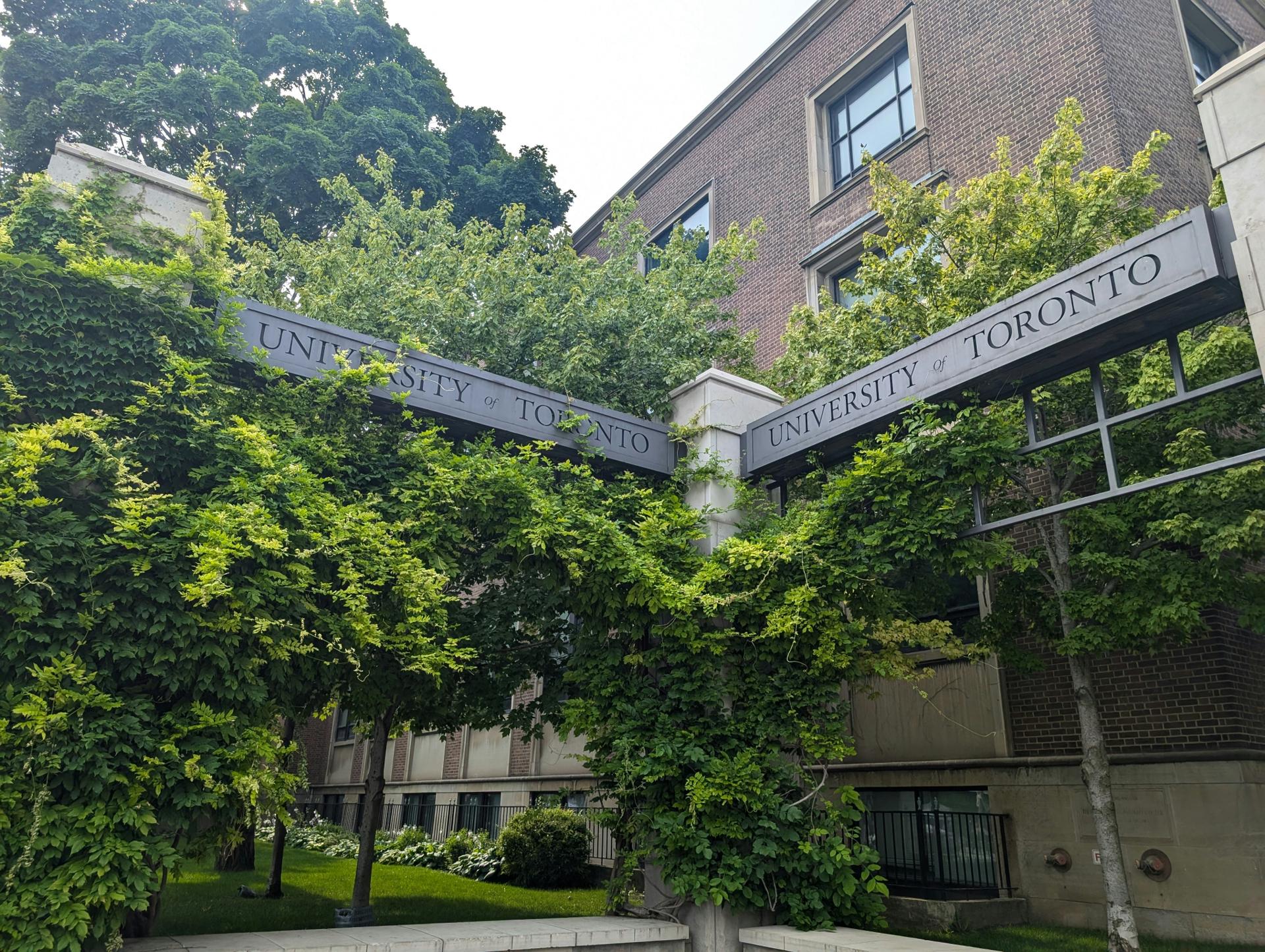
University of Toronto
Research powerhouse, globally ranked #1 in Canada across virtually every discipline.
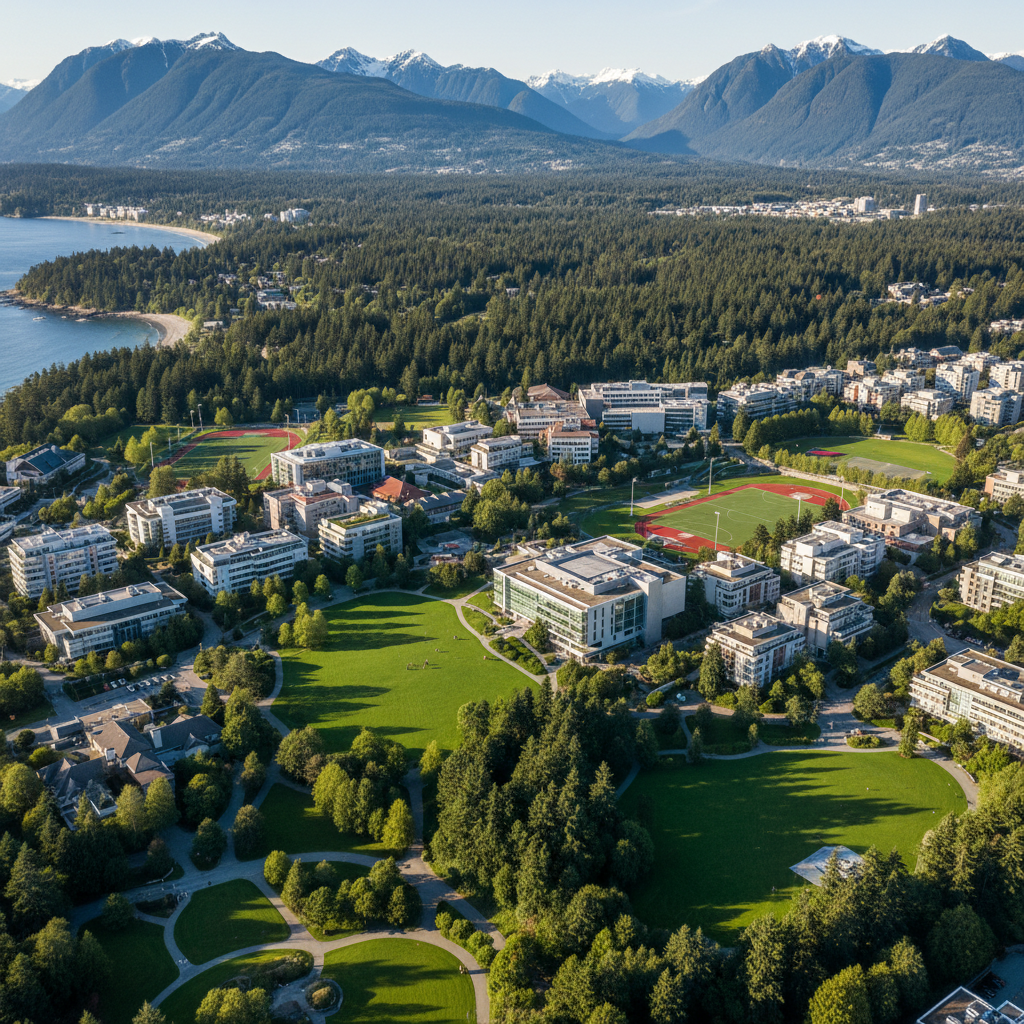
University of British Columbia
Top-ranked for engineering, business, and sustainability research in Vancouver.
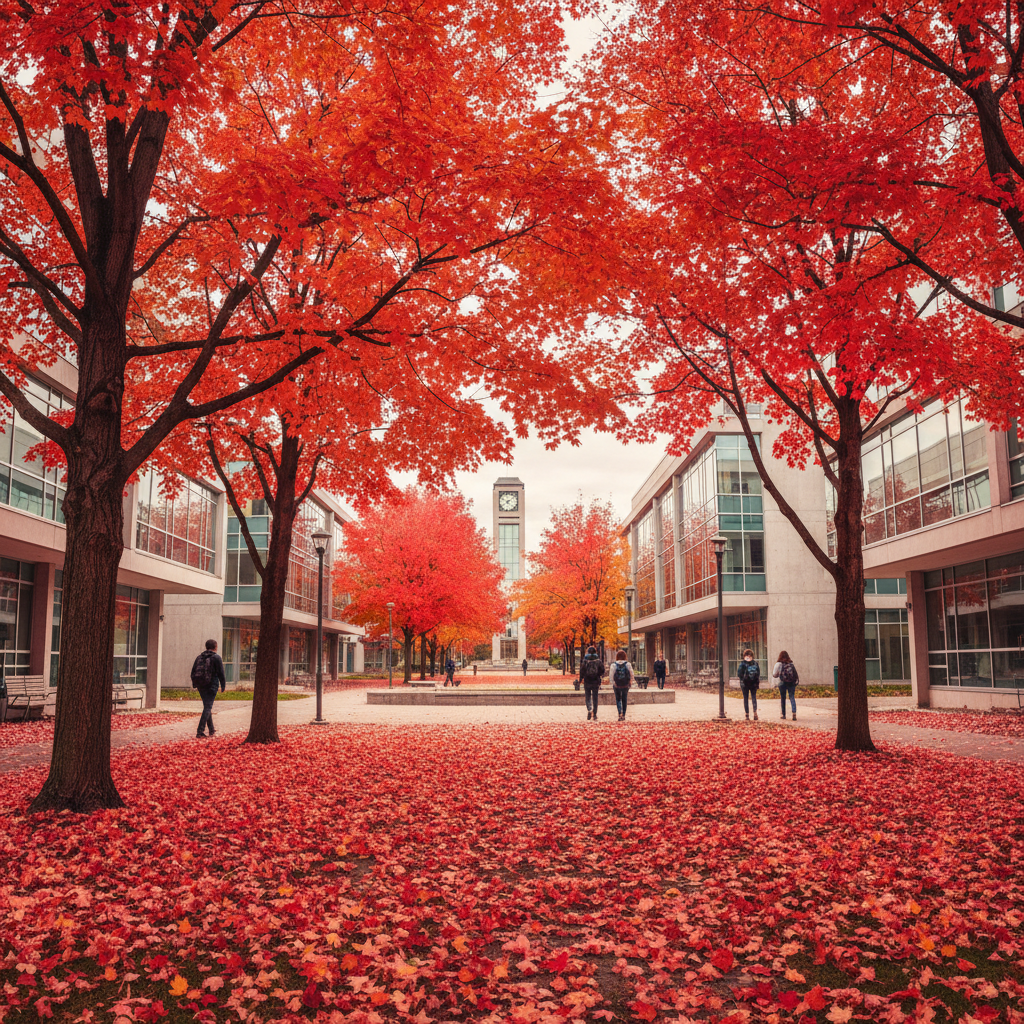
McGill University
Prestigious bilingual university in Montreal with outstanding medicine and law programs.
University of Waterloo
Canada's best for tech and co-op programs — top employer: Google, Microsoft, Amazon.
York University
Popular choice for MBA and business programs with strong industry connections in Toronto.
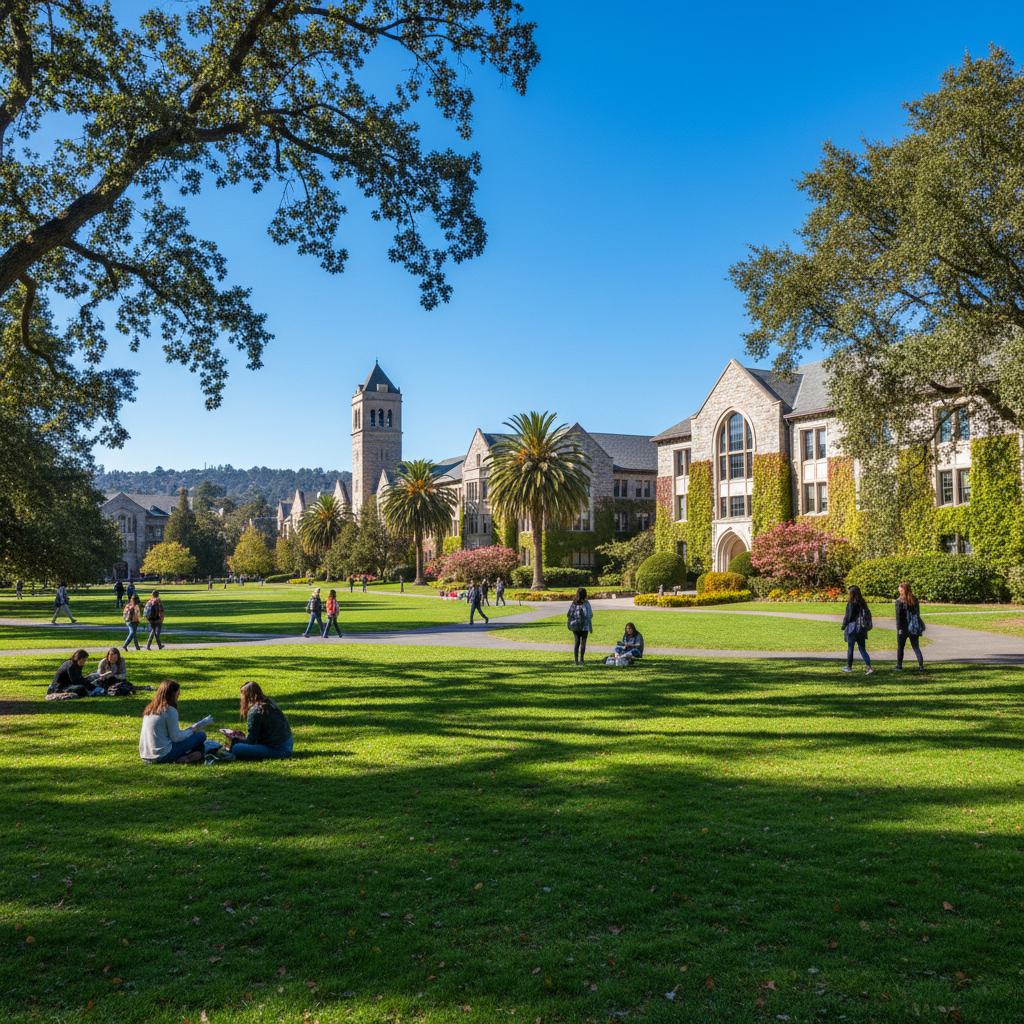
Western University
Highly regarded for business (Ivey), health sciences, and law in London, Ontario.
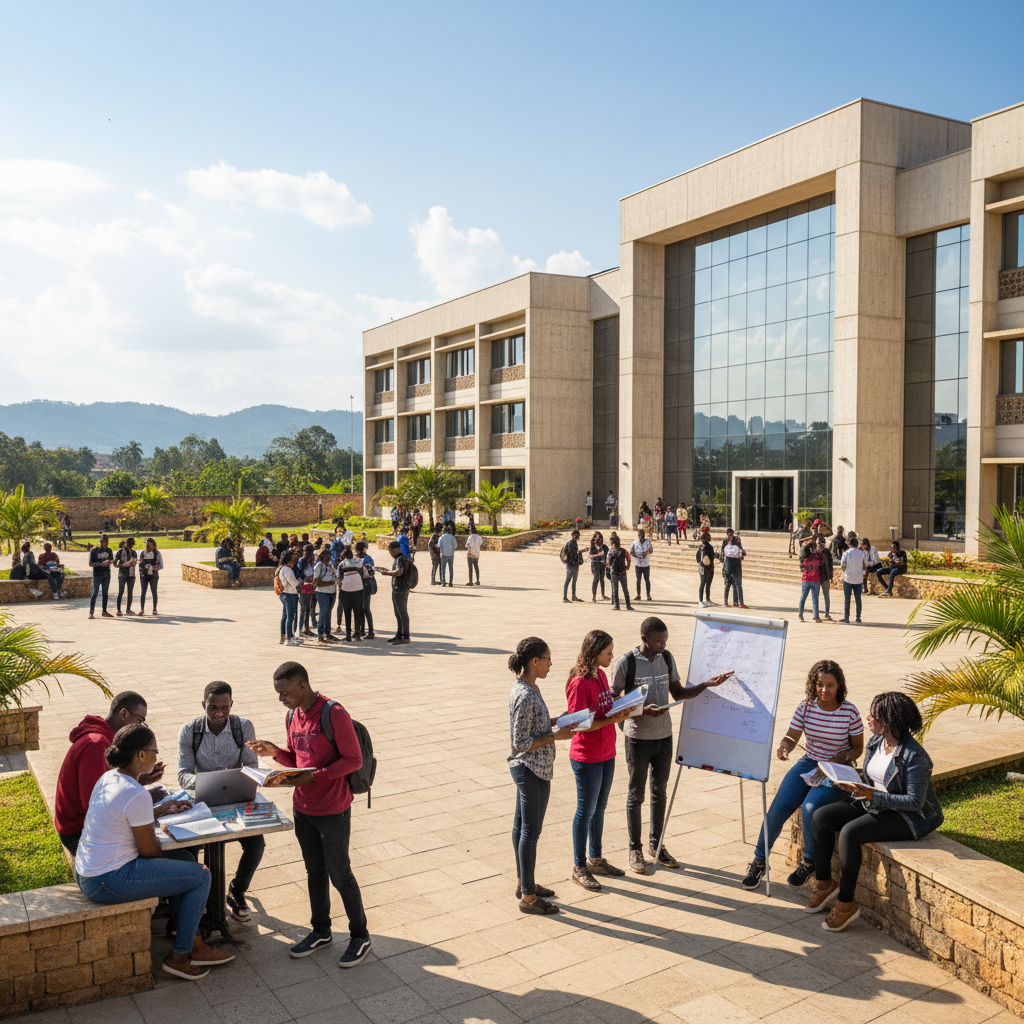
University of Calgary
Affordable tuition with strong programs in energy, engineering, and entrepreneurship.
What Are the Visa Requirements for Studying in Canada?
Key Requirements:
- Enrolled at a Designated Learning Institution (DLI)
- Sufficient funds to cover tuition, living costs, and return travel
- No criminal record; willing to comply with study permit conditions
- Proof of intent to leave Canada after studies (unless applying for PR)
Application Steps:
Receive Your Offer Letter
You must have an acceptance letter from a Designated Learning Institution (DLI) — a school approved by the Canadian government to host international students.
Gather Key Documents
Proof of funds (bank statements showing you can cover tuition + living costs), valid passport, biometrics, and a medical exam from a panel physician.
Quebec Students: Get Your CAQ
If you're studying in Quebec, you must first obtain a Certificat d'acceptation du Québec (CAQ) from the provincial government before applying for the federal study permit.
Apply Online via IRCC
Submit your study permit application through Immigration, Refugees and Citizenship Canada (IRCC). Processing time is approximately 8 weeks, though it varies by country.
Receive Your PAL / eTA
Once approved, you'll receive a Port of Entry Letter of Introduction (PAL). Your actual study permit is stamped at the Canadian border on arrival.
Processing Time: Approximately 8 weeks for Indian applicants, though this can vary. Apply at least 3–4 months before your program start date. Biometrics are required for Indian passport holders and must be submitted at a Visa Application Centre (VAC).
What Is the Cost of Studying in Canada for Indian Students?
Canadian tuition fees range from ₹10–20 lakhs per year, with living costs adding ₹8–12 lakhs annually. Total annual costs of ₹20–32 lakhs make Canada 30–40% more affordable than comparable programs in the USA or UK.
| Expense | Estimated Cost (INR/year) |
|---|---|
| Tuition (Undergraduate) | ₹12–20 lakhs/year |
| Tuition (Postgraduate) | ₹10–18 lakhs/year |
| Living Expenses | ₹8–12 lakhs/year |
| Health Insurance | ₹40,000–80,000/year |
| Total Estimate | ₹20–32 lakhs/year |
* Costs vary by province, institution, and lifestyle. Toronto and Vancouver are more expensive; cities like Calgary, Halifax, and Winnipeg are more affordable.
Figures shown are indicative and subject to periodic government revision — our team confirms the latest requirements during your consultation.
What Is the Post-Graduation Work Permit (PGWP) in Canada for Indian Students?
After graduating in Canada, you can work for any employer in any province for up to 3 years — no job offer required. The Post-Graduation Work Permit (PGWP) is one of Canada's most powerful advantages for international students. After completing a full-time program of at least 8 months at a DLI, you are eligible to apply for an open work permit that lets you work for any employer in Canada — in any province, in any industry.
The duration of your PGWP is tied to the length of your study program. For programs of 2 years or more, you receive a PGWP valid for up to 3 years — giving you ample time to gain Canadian work experience and build your PR application.
Unlike the UK's Graduate Route or the US's OPT, the PGWP is an open work permit — meaning you are not tied to a specific employer or job offer. You can switch jobs, change industries, or even start your own business while on a PGWP.
PGWP at a Glance
What Is the PR Pathway from Canada for Indian Students?
Canada offers Indian students a clear PR pathway: complete a 2-year program, work on a PGWP for up to 3 years, then apply through Express Entry or the Canadian Experience Class — most students achieve PR within 5–6 years of arriving.
Express Entry
Canada's flagship points-based immigration system. After gaining Canadian work experience on your PGWP, you can create an Express Entry profile and receive an Invitation to Apply (ITA) for PR — often within 6 months of submitting your profile.
Canadian Experience Class (CEC)
A stream within Express Entry specifically designed for people who already have Canadian work experience. As a PGWP holder with 1 year of skilled work experience in Canada, you are directly eligible to apply for PR through CEC.
Provincial Nominee Program (PNP)
Each Canadian province runs its own immigration streams targeting graduates and workers in specific sectors. PNP nominations add 600 points to your Express Entry score, virtually guaranteeing an ITA. Popular for students in Alberta, BC, and Ontario.
The typical timeline: Study (2 years) → PGWP (up to 3 years) → 1 year of Canadian work experience → Express Entry / CEC application → PR in 6 months. Most Indian students who follow this path achieve permanent residency within 5–6 years of arriving in Canada.
Frequently Asked Admissions Questions
How much does it cost to study in Canada for an Indian student?
Tuition fees for international students range from CAD 15,000 to CAD 25,000 per year for public community colleges, and CAD 25,000 to CAD 45,000 per year for comprehensive universities. Additionally, students must factor in living costs, health insurance, and books, averaging roughly CAD 12,000 to CAD 18,000 annually.
Can Indian students study in Canada without an IELTS score?
While some universities issue conditional admission letters based on an official Medium of Instruction (MOI) certificate, having a valid English proficiency score (like IELTS Academic or PTE Academic) is critical for a smooth student visa approval process from India under IRCC guidelines.
What are the latest post-graduation work permit (PGWP) rules in Canada?
Graduates from eligible full-time programs lasting at least 8 months at Designated Learning Institutions (DLIs) can receive a Post-Graduation Work Permit (PGWP). Programs of 2 years or more qualify for a full 3-year open work permit, allowing you to gain the Canadian experience needed for permanent residency routes.
Want to cross-verify if your chosen Canadian college is fully eligible for a 3-Year PGWP work visa?
Take our 60-Second Eligibility Assessment tool. Get your customized destination report sent directly to your WhatsApp.
Take the 60-Second AssessmentReady to Start Your 2027 or 2028 Journey to Canada?
The earlier you start, the more options you have — scholarships, university choices, and visa appointment slots all get tighter closer to intake. Book your free profile evaluation today.
Book Your Free ConsultationNo pressure. No obligation. Just honest advice.