
Study in New Zealand: Post-Study Work Visas & Admissions
New Zealand offers world-class education, stunning natural beauty, a safe and welcoming society, and a clear pathway to permanent residency. Here's everything Indian students need to know about studying in Aotearoa.
Planning Your 2027 or 2028 Intake? Here's Why Now Matters.
The strongest applications aren't written under deadline pressure — they're built 12 to 18 months in advance. If you're targeting a Fall 2027 intake, the ideal time to start your university shortlisting, test preparation, and SOP drafting is now. If you're aiming for 2028, you have a real advantage: enough time to strengthen your profile, target better scholarships, and apply to reach universities you might otherwise skip.
Early applicants consistently get first pick of scholarships, visa appointment slots, and accommodation — all of which fill up as deadlines approach. Whichever year you're targeting, the students who start early are the ones with the most options, not the most stress.
Book your free profile evaluation and let's build your 2027 or 2028 roadmap together — there's no cost, and no pressure to decide anything today.
Why Should Indian Students Study in New Zealand?
New Zealand is worth considering because it offers globally recognised degrees at lower costs than Australia, the UK, or the USA, combined with a 3-year open work visa after graduation and a clear points-based PR pathway for skilled migrants.
New Zealand consistently ranks among the world's safest and most peaceful countries. Cities like Auckland, Wellington, and Christchurch offer an exceptional quality of life — clean air, stunning landscapes, low crime rates, and a genuinely welcoming multicultural society. For Indian students, the transition to life in New Zealand is typically smooth, with a growing Indian community and Indian cultural events in all major cities.
One of New Zealand's most attractive features for international students is the post-study open work visa, which allows graduates to work for any employer in any role for up to 3 years after graduation. This open work permit gives students the freedom to explore different industries and build the work experience needed for the Skilled Migrant Category PR pathway.
New Zealand's economy has strong demand for skilled workers in technology, healthcare, engineering, agriculture, and education — sectors where Indian graduates are well-positioned. The government actively encourages skilled migrants to settle permanently, making New Zealand one of the most accessible developed countries for Indian students seeking a long-term future abroad.
How long is the post-study work visa in New Zealand for Indian graduates in 2026?
Degree graduates in New Zealand qualify for a 3-year Post-Study Work Visa (PSWV). Applicants must show NZD 20,000 per year in living funds when applying for a New Zealand student visa. This open work visa allows graduates to work for any employer, in any role, anywhere in New Zealand — a critical stepping stone toward the Skilled Migrant Category PR pathway.
How much proof of funds is required for a New Zealand student visa in 2026?
For 2026, New Zealand Immigration requires international students to demonstrate NZD 20,000 per year in living funds, plus full tuition fees and return airfare, as proof of financial ability when applying for a New Zealand student visa. Funds must be evidenced through bank statements or a scholarship letter.
Which Are the Top Universities in New Zealand for Indian Students?
The top New Zealand universities for Indian students include University of Auckland, Victoria University of Wellington, University of Otago, and University of Waikato — all publicly funded, globally recognised, and offering post-study open work visa eligibility.
New Zealand has eight universities, all publicly funded and internationally recognised. These four are the most popular among Indian applicants.

University of Auckland
New Zealand's largest and highest-ranked university, consistently in the global top 100, with strong programs in engineering, business, and health sciences.
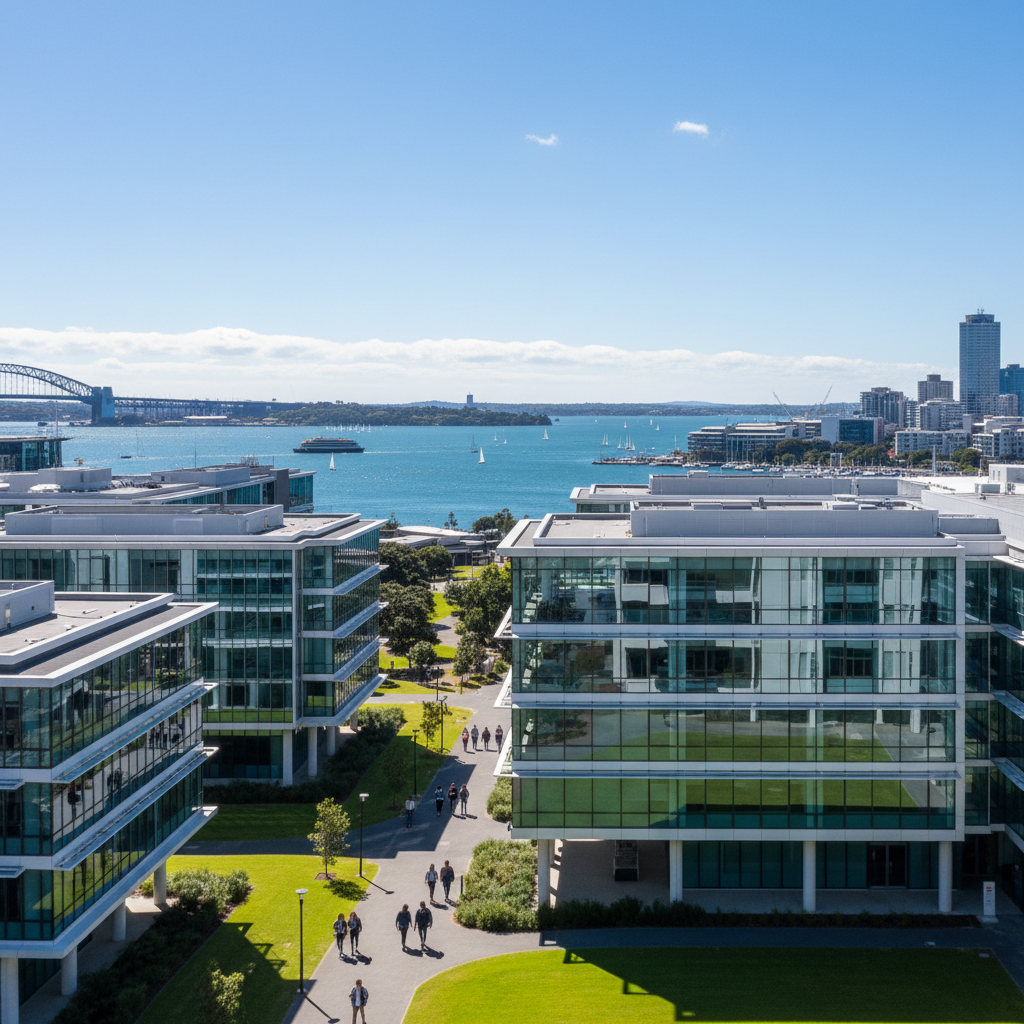
Victoria University of Wellington
New Zealand's capital city university, renowned for law, public policy, and social sciences — ideal for students interested in government and international relations.
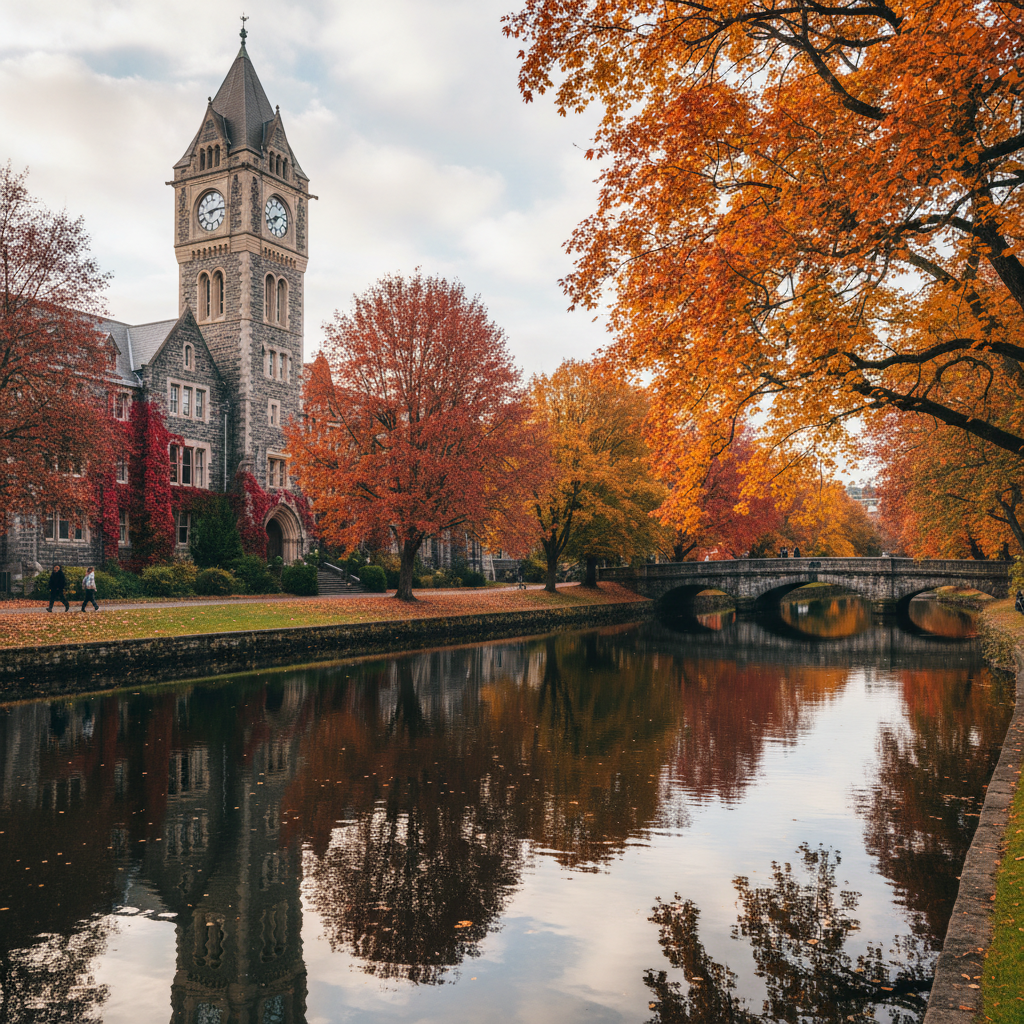
University of Otago
New Zealand's oldest university, globally recognised for its medical and health sciences programs, located in the charming city of Dunedin.

University of Waikato
A progressive research university known for management, law, and environmental sciences, with a strong focus on innovation and industry partnerships.
What Are the New Zealand Student Visa Requirements for Indian Applicants?
Indian students need a New Zealand Student Visa to study full-time. You apply online after receiving an offer from a TEC-approved institution and showing proof of NZD 15,000 per year in living funds. Processing typically takes 4–6 weeks.
- ✓Offer of place from a New Zealand Tertiary Education Commission (TEC) approved institution
- ✓Proof of sufficient funds: NZD 15,000 per year for living costs, plus tuition fees
- ✓Valid passport with at least 3 months validity beyond your intended stay
- ✓English language proficiency: IELTS 6.0+ (or equivalent) for most programs
- ✓Medical and chest X-ray certificates if you plan to stay for more than 12 months
- ✓Police clearance certificate from India and any other country where you have lived for 5+ years
- ✓Evidence of return travel or funds to purchase a return ticket
- ✓Processing time: typically 4–6 weeks; apply at least 2 months before your course start date
What Is the Cost of Studying in New Zealand for Indian Students?
New Zealand tuition fees range from ₹11–20 lakhs per year, with living costs adding ₹8–12 lakhs annually. Total annual costs of ₹20–32 lakhs make New Zealand generally more affordable than Australia for comparable programs.
| Expense | Estimated Cost (INR/year) |
|---|---|
| Tuition (Undergraduate) | ₹12–20 lakhs/year |
| Tuition (Postgraduate) | ₹11–18 lakhs/year |
| Living Expenses | ₹8–12 lakhs/year |
| Health Insurance | ₹30,000–50,000/year |
| Total Estimate | ₹20–32 lakhs/year |
* Auckland is the most expensive city; Wellington and Dunedin offer more affordable living costs with comparable academic quality.
Figures shown are indicative and subject to periodic government revision — our team confirms the latest requirements during your consultation.
What Are the Post-Study Work Rights for Indian Students in New Zealand (Open Work Visa)?
After graduating in New Zealand, Indian students receive an open work visa for up to 3 years — no job offer required, and you can work for any employer in any role anywhere in the country. Graduates of 1-year programs receive a 1-year work visa.
After graduating in New Zealand, you receive an open work visa for up to 3 years — no job offer required, and you can work for any employer in any role anywhere in the country. New Zealand offers a Post-Study Open Work Visa for graduates of New Zealand institutions. This is an open work permit — meaning you can work for any employer, in any role, anywhere in New Zealand — for up to 3 years after completing a degree of 2 years or more.
For graduates of 1-year programs, the post-study work visa is valid for 1 year. For graduates of 2-year or longer programs, the visa is valid for up to 3 years. This generous work rights policy gives Indian graduates ample time to gain New Zealand work experience and build their Skilled Migrant Category PR application.
During the post-study work period, you can also bring your partner to New Zealand on a partner visa, and they will also be eligible for open work rights — making New Zealand an attractive option for couples planning to study and settle abroad together.
Post-Study Work at a Glance
What Is the PR and Immigration Pathway for Indian Students in New Zealand?
New Zealand PR for Indian graduates is achieved through the Skilled Migrant Category — a points-based system where having a skilled job in New Zealand is the most important factor, and most students achieve PR within 4–6 years of arriving. New Zealand's primary pathway to permanent residency for international graduates is the Skilled Migrant Category (SMC) — a points-based immigration system that awards points for factors including age, skilled employment in New Zealand, qualifications, and work experience. After completing your degree and gaining work experience on the post-study work visa, you can submit an Expression of Interest (EOI) for the SMC.
Points are awarded for having a skilled job offer or employment in New Zealand (the most important factor), your qualification level, your age (maximum points for applicants aged 20–39), and whether your skills are in an area of absolute skills shortage. Indian graduates with a New Zealand degree and a skilled job offer are typically well-positioned to score above the selection threshold.
The typical pathway for an Indian student: complete a 2-year master's degree → apply for a 3-year post-study open work visa → secure skilled employment → submit SMC EOI → receive PR invitation. Most students who follow this path achieve permanent residency within 4–6 years of arriving in New Zealand — making it one of the faster PR pathways available to Indian students.
Ready to Start Your 2027 or 2028 Journey to New Zealand?
The earlier you start, the more options you have — scholarships, university choices, and visa appointment slots all get tighter closer to intake. Book your free profile evaluation today.
Book Your Free Profile EvaluationNo pressure. No obligation. Just honest advice.