

Study in Europe: Public Universities & Schengen Visas
Europe offers world-class education at a fraction of the cost of the USA, UK, or Australia. From free tuition in Germany to English-taught programs in the Netherlands, Europe is one of the most underrated study destinations for Indian students. Here's your complete guide.
Planning Your 2027 or 2028 Intake? Here's Why Now Matters.
The strongest applications aren't written under deadline pressure — they're built 12 to 18 months in advance. If you're targeting a Fall 2027 intake, the ideal time to start your university shortlisting, test preparation, and SOP drafting is now. If you're aiming for 2028, you have a real advantage: enough time to strengthen your profile, target better scholarships, and apply to reach universities you might otherwise skip.
Early applicants consistently get first pick of scholarships, visa appointment slots, and accommodation — all of which fill up as deadlines approach. Whichever year you're targeting, the students who start early are the ones with the most options, not the most stress.
Book your free profile evaluation and let's build your 2027 or 2028 roadmap together — there's no cost, and no pressure to decide anything today.
Higher Education in Europe: The Quick-Facts Matrix
| Core Criteria | Requirements & Practical Timelines for Indian Applicants |
|---|---|
| Primary Intakes | September/October (Universal main intake across all European states) & limited February cycles |
| Average Tuition Fees | €900 to €4,500 per year at public institutions; €8,000+ at specialized private business schools |
| Post-Study Work Visa | 1 to 2 Years post-study stay-back visa across the Schengen zone depending on national policy |
| IELTS Waiver Status | Accessible in select countries (like France or Italy) via an official Medium of Instruction (MOI) |
| Visa Approval Timeline | 4 to 6 weeks via respective national embassies and VFS centers in India |
Study in Europe without the Agent Bias: 100% Commission-Free Guidance
Traditional study abroad agencies heavily push a small hand-picked list of expensive private schools because they pay massive backend agent commissions. At MyEduQuest, our independent consultants in Delhi work completely commission-free. We give you open access to world-class public universities across France, Italy, Spain, Belgium, and the Netherlands.
✗ Traditional Commission-Based Agents
- ✗Trap students in unaccredited private centers with zero post-study work visa rights.
- ✗Conceal regional government grants and merit-based tuition waivers to save time.
- ✗Fail to guide you on complex cross-border document legalization and apostille mandates.
✓ MyEduQuest Independent Consultants
- ✓Navigate English-taught public university systems across multiple European nations.
- ✓Maximize your profile compatibility for Erasmus Mundus and regional government fee waivers.
- ✓Provide clear, stress-free assistance for absolute compliance with Schengen visa financial rules.
The quality of European education is exceptional. Germany's technical universities (TU Munich, RWTH Aachen, KIT) are globally ranked for engineering and technology. The Netherlands offers over 2,000 English-taught programs. France's grandes écoles are among the world's most selective and prestigious institutions. And across Europe, the Bologna Process ensures that degrees are standardised and mutually recognised across all EU member states.
For Indian students, Europe also offers a unique cultural and professional advantage: exposure to multiple languages, cultures, and business environments within a single continent. A student who studies in Germany and works in the Netherlands, then moves to France — all within the EU's free movement zone — gains a breadth of international experience that is genuinely rare and highly valued by global employers.
Post-study work rights vary by country, but Germany's 18-month job-seeker visa is one of the most generous in Europe, allowing graduates to stay and search for employment after completing their degree. And the EU Blue Card — available to highly skilled workers across most EU member states — provides a clear pathway to long-term residency and eventually permanent settlement in Europe.
What is the Schengen student visa and how does it benefit Indian students?
A Schengen student visa allows Indian scholars to travel freely across 29 European countries. Countries like France, Italy, Finland, and Netherlands offer English-taught Master's degrees with post-study stay-back permits ranging from 1 to 2 years — giving Indian graduates unparalleled mobility across the continent.
What post-study work rights do Indian graduates have across EU states?
Post-study work rights vary by EU country. Germany offers an 18-month job-seeker visa. France offers a 12-month temporary residence permit. The Netherlands offers a 12-month orientation year visa. Most EU countries offer 1 to 2 years of post-study stay-back rights for international graduates, with pathways to the EU Blue Card for long-term residency.
Key Study Destinations in Europe
Each country offers a distinct academic culture, cost structure, and career pathway.
Germany
Free tuition at public universitiesGermany is the world's best-kept secret for international students. Public universities charge no tuition fees — even for international students — making it possible to earn a world-class degree for less than ₹5 lakhs total. Germany's engineering, technology, and science programs are globally ranked, and the country's industrial powerhouses (BMW, Siemens, SAP, Bosch) actively recruit international graduates.
Netherlands
English-taught programs, global outlookThe Netherlands offers over 2,000 English-taught degree programs — more than any other non-English-speaking country. Dutch universities are internationally ranked, and cities like Amsterdam, Delft, and Eindhoven are innovation hubs with strong tech and design industries. Tuition fees are moderate (€8,000–15,000/year) and the country has a high quality of life.
France
Prestigious grandes écoles, affordable tuitionFrance is home to some of Europe's most prestigious institutions, including Sciences Po, HEC Paris, and INSEAD. Public university tuition is heavily subsidised (€2,770–3,770/year for non-EU students), making France one of the most affordable European destinations for Indian students. Paris is a global hub for fashion, finance, and diplomacy.
Spain
Affordable living, growing tech sceneSpain offers excellent value for Indian students — tuition fees at public universities are among the lowest in Western Europe (€1,500–3,500/year), and living costs are significantly lower than in the UK, Germany, or France. Barcelona and Madrid have growing technology and startup ecosystems, and Spanish is the world's second most spoken language — a valuable career asset.
Which Are the Top Universities in Europe for Indian Students?
The top European universities for Indian students include TU Munich, TU Delft, Sciences Po Paris, and Pompeu Fabra University — all globally ranked institutions offering world-class programs at a fraction of the cost of UK or US universities.
These four institutions represent the best of European higher education across Germany, Netherlands, France, and Spain.

TU Munich (Technical University of Munich)
GermanyGermany's #1 technical university and a global top-50 institution, renowned for engineering, computer science, and natural sciences.
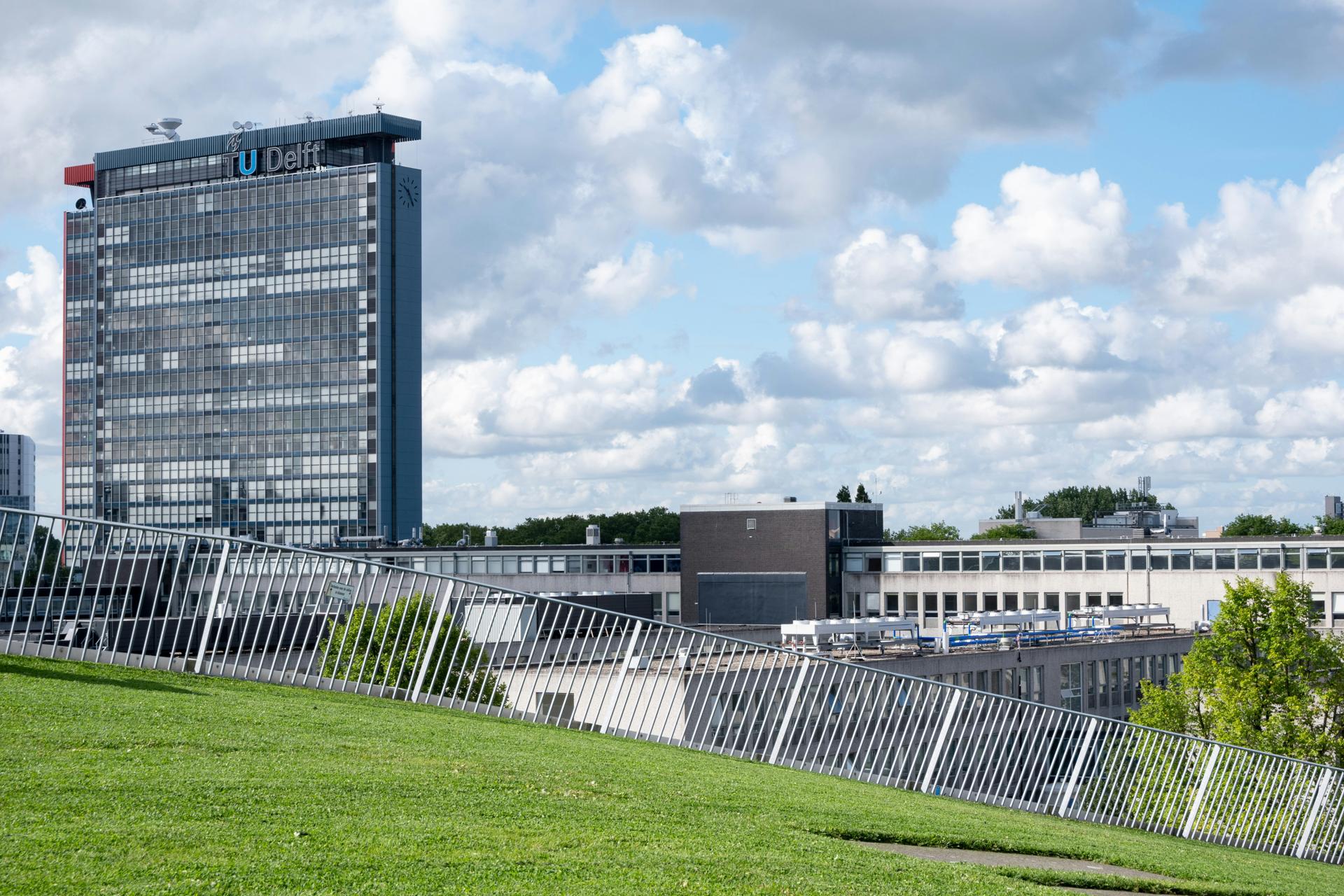
Delft University of Technology (TU Delft)
NetherlandsEurope's largest technical university, globally ranked for engineering, architecture, and aerospace — with strong industry partnerships worldwide.

Sciences Po Paris
FranceOne of the world's most prestigious social sciences and political science institutions, with exceptional programs in international affairs and public policy.
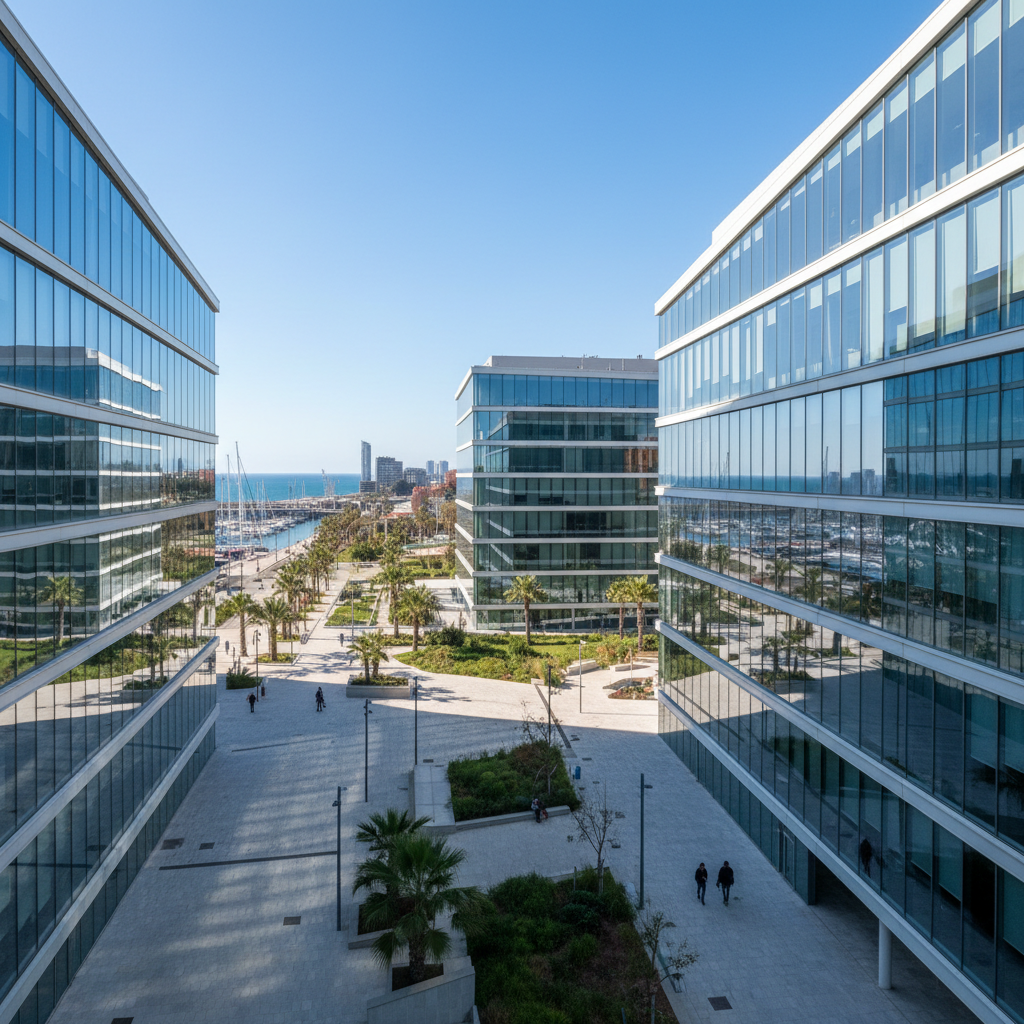
Pompeu Fabra University (UPF)
SpainBarcelona's leading research university, ranked in the global top 200, with strong programs in economics, law, and communication.
What Are the European Student Visa Requirements for Indian Students?
Visa requirements vary by country — each EU nation has its own student visa process, though all require an acceptance letter, proof of funds, and health insurance. Germany requires a blocked account of €11,904; France requires Campus France registration for Indian students.
🇩🇪 Germany
- ✓University admission letter (Zulassungsbescheid)
- ✓Proof of financial resources: €11,208/year (blocked account or scholarship)
- ✓Health insurance coverage for the duration of your stay
- ✓German language proficiency (B2/C1) for German-taught programs; IELTS 6.5+ for English programs
- ✓Apply at the German Embassy in India; processing time: 6–12 weeks
🇳🇱 Netherlands
- ✓Admission letter from a Dutch university (they handle the MVV visa application on your behalf)
- ✓Proof of sufficient funds (€11,000/year)
- ✓Valid passport and health insurance
- ✓IELTS 6.0–6.5 (or equivalent) for English-taught programs
- ✓Processing time: 4–8 weeks after university submits your application
🇫🇷 France
- ✓Admission letter from a French institution
- ✓Campus France registration and interview (mandatory for Indian students)
- ✓Proof of financial resources: €615/month
- ✓French language proficiency (B2) for French-taught programs; IELTS 6.5+ for English programs
- ✓Processing time: 3–6 weeks after Campus France clearance
🇪🇸 Spain
- ✓University acceptance letter and proof of enrollment
- ✓Proof of financial means: €600/month
- ✓Health insurance valid in Spain
- ✓Spanish language proficiency for Spanish-taught programs; IELTS 6.0+ for English programs
- ✓Apply at the Spanish Embassy in India; processing time: 4–8 weeks
What Is the Cost of Studying in Europe for Indian Students?
European study costs vary widely by country. Germany charges only a semester fee of ₹0–3 lakhs at public universities, while the Netherlands costs ₹7–13 lakhs per year. Living costs average ₹7–12 lakhs annually across most European cities.
| Expense | Estimated Cost (INR/year) |
|---|---|
| Tuition — Germany (Public) | ₹0–3 lakhs/year (semester fees only) |
| Tuition — Netherlands | ₹7–13 lakhs/year |
| Tuition — France (Public) | ₹2–4 lakhs/year |
| Tuition — Spain (Public) | ₹1–3 lakhs/year |
| Living Expenses (avg.) | ₹7–12 lakhs/year |
| Total Estimate (Germany) | ₹7–15 lakhs/year |
* Germany offers the best value — near-zero tuition with moderate living costs. Amsterdam and Paris are more expensive; smaller German and Spanish cities are very affordable.
Figures shown are indicative and subject to periodic government revision — our team confirms the latest requirements during your consultation.
What Are the Post-Study Work Rights for Indian Students in Europe?
Post-study work rights vary by European country. Germany offers an 18-month job-seeker visa, the Netherlands offers a 1-year Orientation Year visa, and France offers a 1-year APS permit — all allowing Indian graduates to work while seeking permanent employment.
🇩🇪 Germany
18-Month Job-Seeker VisaAfter graduating in Germany, you receive an 18-month residence permit to stay and find employment — no job offer needed before graduation. Germany's Aufenthaltserlaubnis zur Arbeitssuche allows graduates of German universities to stay for 18 months to search for a job related to their qualification. During this period, you can work up to 20 hours/week. Once you find a job matching your degree, you can switch to a work visa.
🇳🇱 Netherlands
Orientation Year Visa (Zoekjaar)After graduating in the Netherlands, you receive a 1-year Orientation Year visa to work without restrictions while searching for a permanent role. The Netherlands offers a 1-year Orientation Year visa for graduates of Dutch universities or top-100 global universities.
🇫🇷 France
APS Temporary Residence PermitAfter graduating in France with a master's or PhD, you receive a 1-year APS permit allowing you to work while seeking employment. This can be extended if you find a job.
🇪🇸 Spain
Job-Seeker Permit (1 year)After graduating in Spain, you can apply for a 1-year job-seeker permit to work part-time and seek full-time employment before transitioning to a work visa.
What Is the EU Blue Card and PR Pathway for Indian Students in Europe?
The EU Blue Card is the clearest route to permanent residency in Europe for Indian graduates — it requires a skilled job offer above a salary threshold and leads to permanent residency in as little as 21–33 months. The EU Blue Card is the European Union's flagship work and residency permit for highly skilled non-EU workers. It is available in most EU member states (including Germany, Netherlands, France, and Spain) and requires a job offer with a salary above a country-specific threshold (typically 1.5x the average national salary). For Indian graduates with a European degree and a skilled job offer, the EU Blue Card is the most direct route to long-term residency in Europe.
After holding an EU Blue Card for 33 months (or 21 months with B1-level language proficiency in the host country's language), you become eligible to apply for EU Long-Term Resident status — a permanent residency permit that is valid indefinitely and allows you to move and work freely across EU member states. Germany, in particular, has one of the most streamlined Blue Card to permanent residency pathways in Europe.
The typical pathway for an Indian student in Germany: complete a master's degree → 18-month job-seeker visa → secure skilled employment → EU Blue Card → permanent residency (Niederlassungserlaubnis) after 33 months. Most Indian students who follow this path in Germany achieve permanent residency within 5–7 years of arriving — at a fraction of the cost of studying in the UK, USA, or Australia.
Frequently Asked Admissions Questions
Which European countries offer English-taught courses with low tuition fees?
Countries like Germany, France, Italy, and Spain offer hundreds of fully English-taught programs within their public university networks at incredibly low tuition rates, often ranging from just €500 to €3,000 per year for international students.
Can I study in Europe without an IELTS score from India?
Yes, nations like France, Italy, and select universities in Belgium allow Indian students to secure an IELTS waiver if they provide an official Medium of Instruction (MOI) certificate proving their entire bachelor's degree or school education was conducted in English.
How does the post-study work visa work across Schengen European countries?
Most European Union countries offer international graduates an official job-seeker visa lasting between 12 and 24 months. This permit allows you to travel and secure a qualifying professional job anywhere within that specific nation's borders to transition to a formal residency work permit.
Want to find out which European countries currently grant a direct IELTS waiver for Indian profiles?
Take our 60-Second Eligibility Assessment tool. Get your customized destination report sent directly to your WhatsApp.
Take the 60-Second Eligibility AssessmentFree. Instant. Sent directly to your WhatsApp.
Ready to Start Your 2027 or 2028 Journey to Europe?
The earlier you start, the more options you have — scholarships, university choices, and visa appointment slots all get tighter closer to intake. Book your free profile evaluation today.
Book Your Free Profile EvaluationNo pressure. No obligation. Just honest advice.