

Study in Japan: MEXT Scholarships & English Programs
Japan is one of the world's most technologically advanced nations, home to globally ranked universities, generous government scholarships, and a fast-track PR pathway for highly skilled professionals. Here's everything Indian students need to know.
Planning Your 2027 or 2028 Intake? Here's Why Now Matters.
The strongest applications aren't written under deadline pressure — they're built 12 to 18 months in advance. If you're targeting a Fall 2027 intake, the ideal time to start your university shortlisting, test preparation, and SOP drafting is now. If you're aiming for 2028, you have a real advantage: enough time to strengthen your profile, target better scholarships, and apply to reach universities you might otherwise skip.
Early applicants consistently get first pick of scholarships, visa appointment slots, and accommodation — all of which fill up as deadlines approach. Whichever year you're targeting, the students who start early are the ones with the most options, not the most stress.
Book your free profile evaluation and let's build your 2027 or 2028 roadmap together — there's no cost, and no pressure to decide anything today.
Higher Education in Japan: Key Requirements & Timelines for Indian Applicants
| Core Criteria | Requirements & Practical Timelines for Indian Applicants |
|---|---|
| Primary Intakes | April (Primary traditional Japanese intake) & September/October (Main global English-taught intake) |
| Average Tuition Fees | JPY 500,000 to JPY 1,200,000 per year (Significantly lower than western destinations) |
| Post-Study Work Visa | Up to 1 Year via the Designated Activities visa framework to secure full-time local employment |
| Scholarship Options | Highly accessible MEXT, JASSO, and internal institutional fee waivers covering up to 100% |
| Visa Approval Timeline | 4 to 8 weeks; requires a formal Certificate of Eligibility (COE) from Japanese Immigration |
Study in Japan without the Agent Bias: 100% Commission-Free Guidance
Traditional study abroad agencies often avoid Japan entirely because navigating English-medium program applications requires deep technical expertise instead of simple agent commissions. At MyEduQuest, our independent consultants in Delhi give you unbiased access to Japan's elite global universities and prestigious MEXT scholarship pathways.
✗ Traditional Commission-Based Agents
- ✗Ignore Japan entirely because elite national universities refuse to pay agent commissions.
- ✗Hide fully-funded government scholarships to avoid detailed paperwork.
- ✗Fail to assist with the mandatory Certificate of Eligibility (COE) immigration filing.
✓ MyEduQuest Independent Consultants
- ✓Expertly target top-tier English-taught programs under Japan's Global 30 initiative.
- ✓Meticulously optimize your profile for MEXT and JASSO tuition waivers and monthly stipends.
- ✓Provide flawless end-to-end guidance to secure your immigration Certificate of Eligibility.
Japan's universities are globally recognised, particularly in engineering, robotics, materials science, and natural sciences. The University of Tokyo, Kyoto University, and Osaka University consistently rank among Asia's top institutions and the world's top 100. For Indian students interested in cutting-edge technology, robotics, automotive engineering, or materials science, Japan offers research opportunities that are genuinely world-leading.
The cost of studying in Japan is significantly lower than in the USA, UK, or Australia. National university tuition fees are standardised and relatively affordable (approximately JPY 535,800/year — around ₹3 lakhs), and the Japanese government offers numerous scholarships to reduce costs further. Living costs in cities like Tokyo and Osaka are comparable to major Indian metros once you account for the quality of infrastructure and services.
Japan is also increasingly welcoming to international professionals. The country's Highly Skilled Professional (HSP) visa offers one of the fastest PR pathways in the developed world — eligible graduates can achieve permanent residency in as little as 1–3 years of working in Japan, compared to 5+ years in most other countries. For ambitious Indian students with strong academic profiles, Japan represents a genuinely underrated opportunity.
Does Japan offer English-medium degree programs for international students?
Japan offers English-medium degree programs across top national universities including University of Tokyo, Kyoto University, and Osaka University. International graduates receive Designated Activities visas allowing up to 1 to 2 years of post-graduation job hunting before transitioning to a full work visa.
What is the MEXT Scholarship and what does it cover for Indian students in 2026?
The MEXT (Ministry of Education, Culture, Sports, Science and Technology) scholarship is Japan's prestigious government scholarship for international students. It covers full tuition, a monthly stipend of approximately ¥117,000–¥145,000, and return airfare — making it one of the most comprehensive government scholarships available to Indian students globally.
Which Are the Top Universities in Japan for Indian Students?
The top Japanese universities for Indian students include University of Tokyo, Kyoto University, Osaka University, and Waseda University — all globally ranked and offering English-taught programs in engineering, science, and business with MEXT scholarship eligibility.
These four institutions are the most internationally recognised and popular choices for Indian students in Japan.
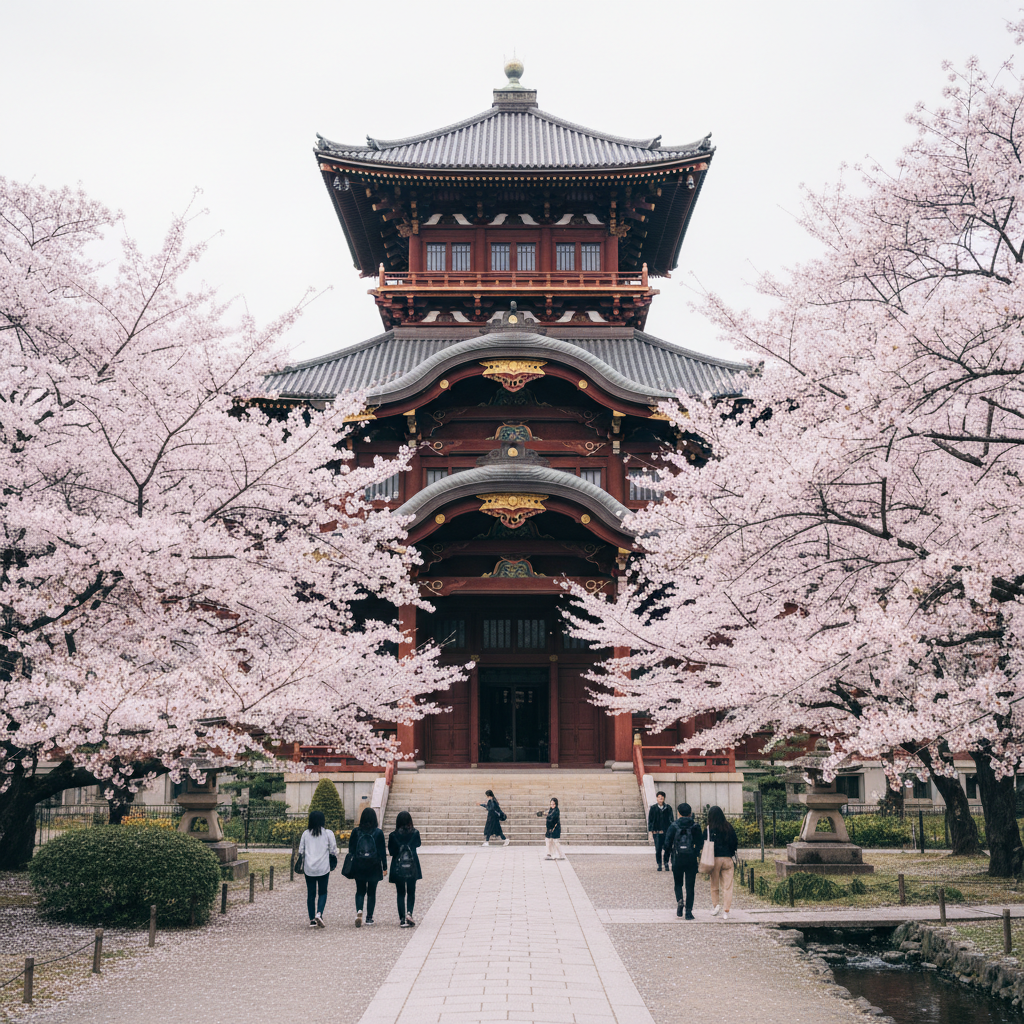
University of Tokyo (UTokyo)
Japan's most prestigious university and Asia's #1 research institution, globally ranked in the top 30, with exceptional programs in engineering, science, and medicine.
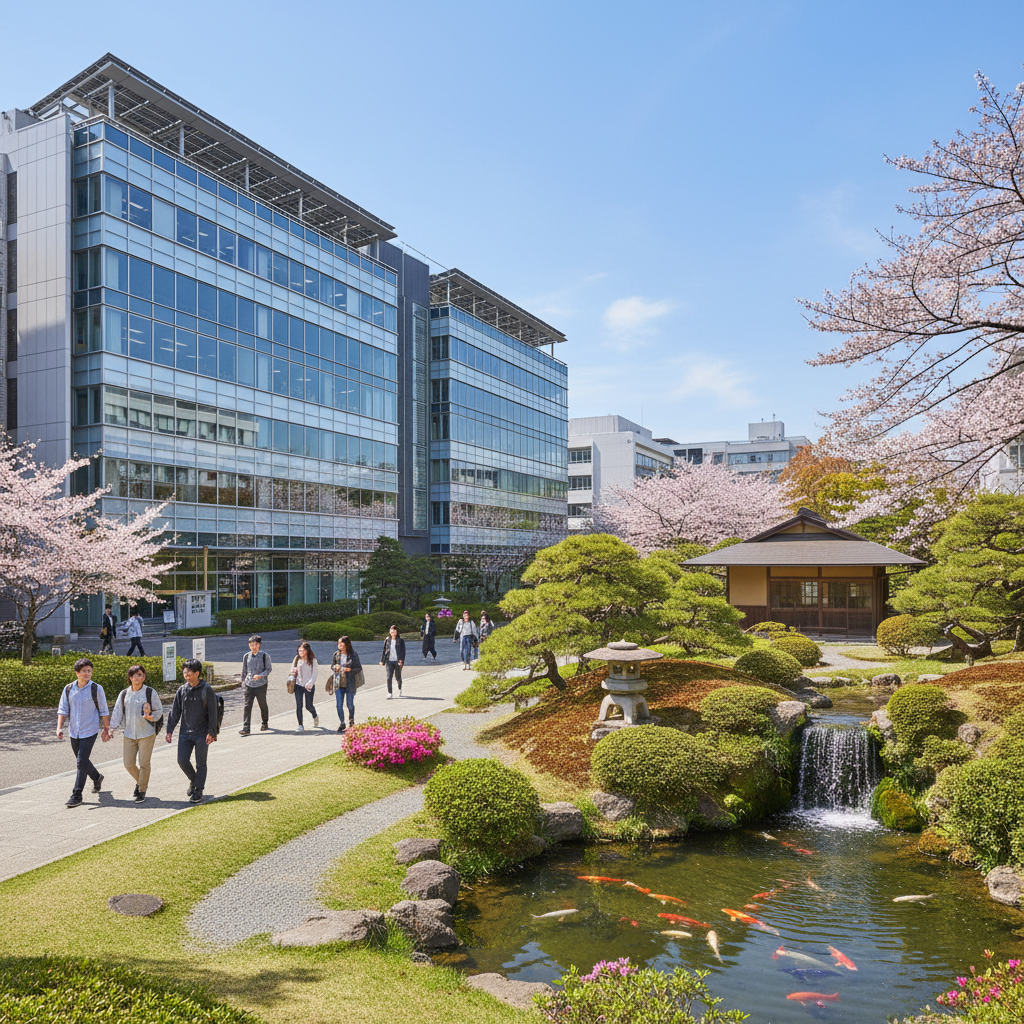
Osaka University
Japan's third-ranked university, a global top-80 institution known for cutting-edge research in science, engineering, and medicine in Japan's second city.
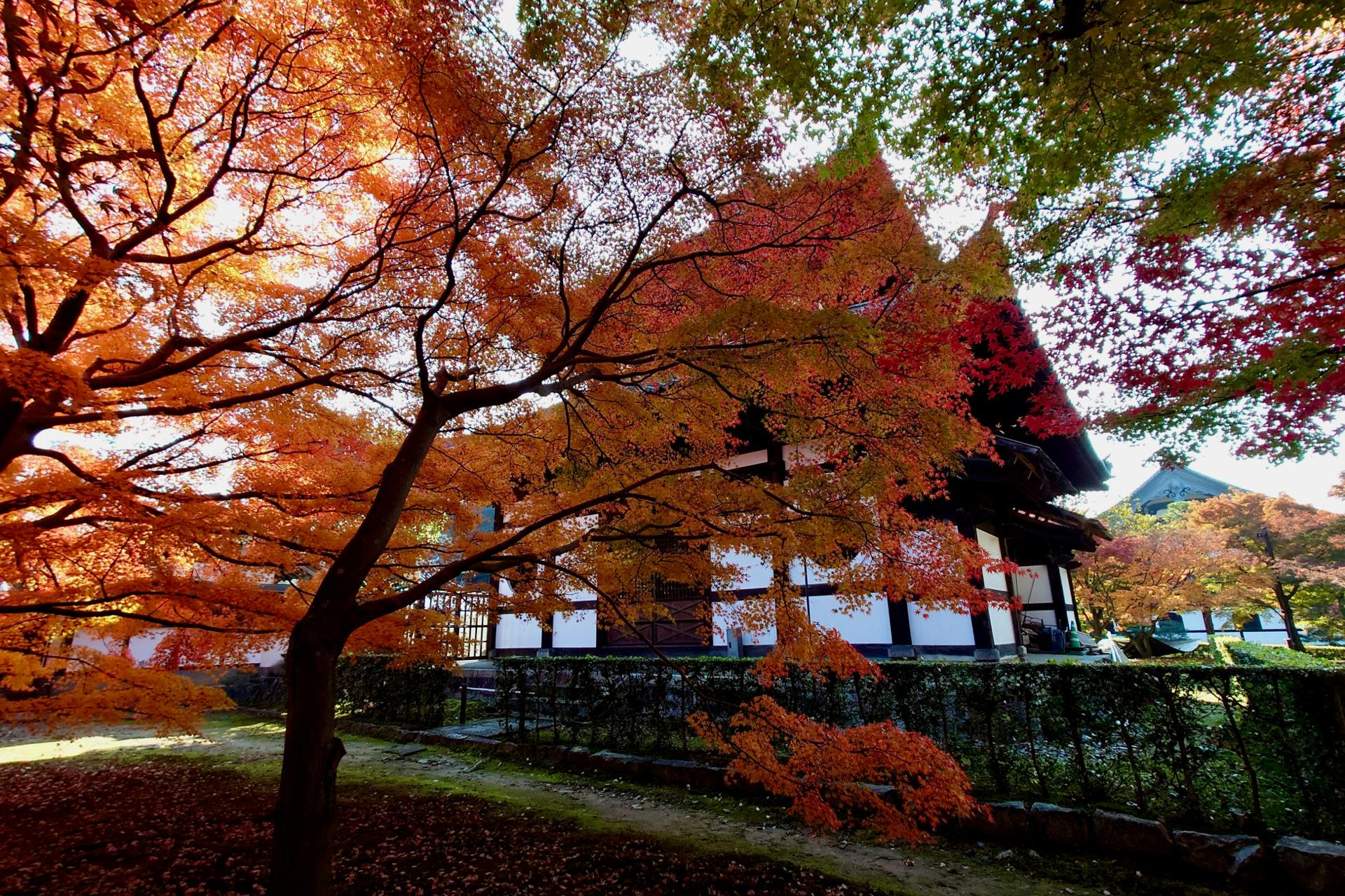
Kyoto University
Japan's second most prestigious university, located in the ancient capital, renowned for fundamental research in science, humanities, and social sciences.
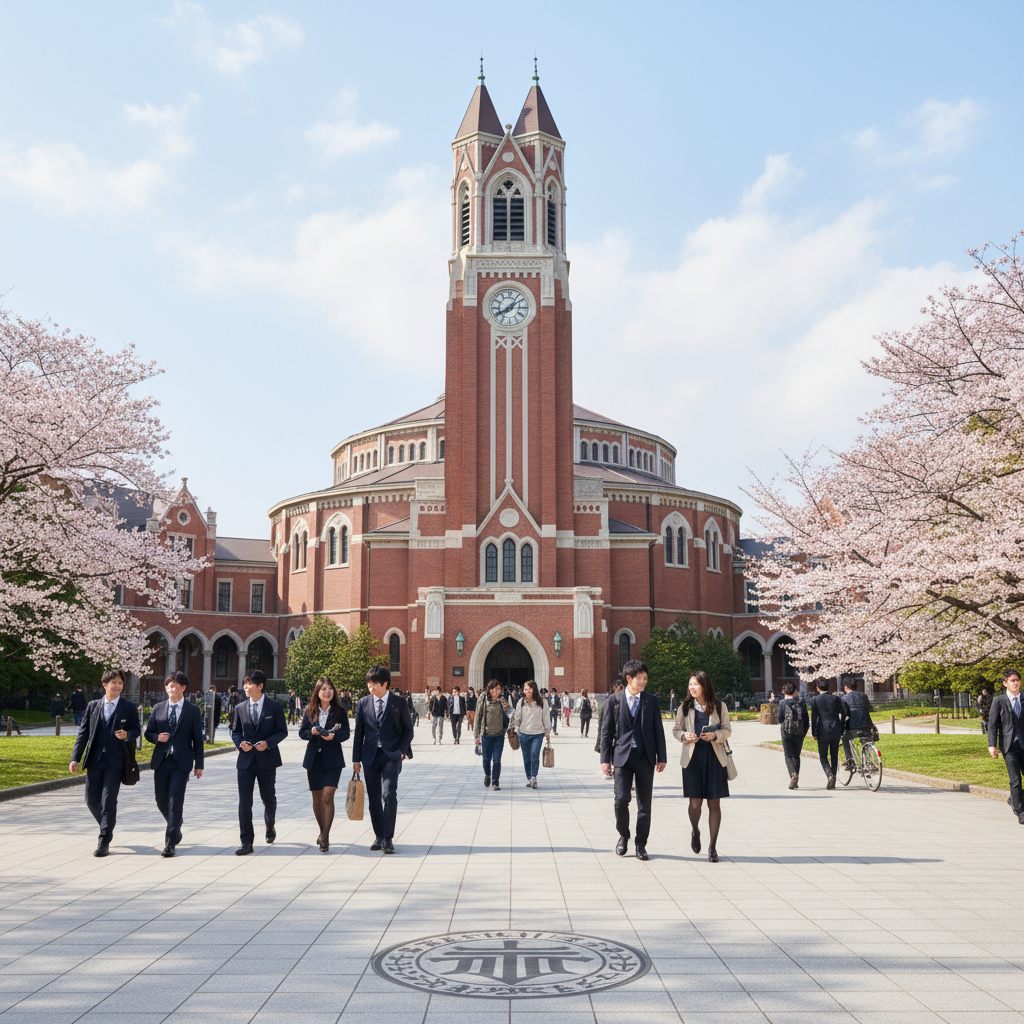
Waseda University
Japan's most internationally oriented private university, with strong programs in business, international studies, and engineering — and a large international student community.
What Are the Japan Student Visa Requirements for Indian Applicants?
Indian students need a College Student status of residence to study in Japan. Your university first obtains a Certificate of Eligibility (CoE) on your behalf, then you apply at the Japanese Embassy in India — processing typically takes 4–6 weeks.
- ✓Certificate of Eligibility (CoE) — issued by the Japanese Immigration Services Agency on behalf of your university; this is the most important document for your student visa
- ✓Acceptance letter from a Japanese university or language school recognised by the Ministry of Education, Culture, Sports, Science and Technology (MEXT)
- ✓Valid passport with at least 6 months validity beyond your intended stay
- ✓Proof of financial ability: bank statements showing sufficient funds to cover tuition and living costs (approximately JPY 1.2–1.5 million/year)
- ✓Japanese language proficiency (JLPT N2 or higher) for Japanese-taught programs; IELTS 6.0–6.5 for English-taught programs
- ✓Completed visa application form and recent passport-size photographs
- ✓Medical certificate confirming you are in good health
- ✓Processing time: typically 4–6 weeks after receiving your Certificate of Eligibility; apply at the Japanese Embassy in India
MEXT Scholarship: The Japanese government's MEXT (Ministry of Education) scholarship covers full tuition, a monthly stipend (JPY 117,000–145,000), and return airfare. Indian students can apply through the Japanese Embassy in India or through their university. This is one of the most generous government scholarships available to Indian students anywhere in the world.
What Is the Cost of Studying in Japan for Indian Students?
Japan is one of the most affordable developed countries for Indian students. National university tuition is approximately ₹3 lakhs per year, with living costs adding ₹8–13 lakhs annually. The MEXT scholarship can cover all costs including tuition, stipend, and airfare.
| Expense | Estimated Cost (INR/year) |
|---|---|
| Tuition (Undergraduate) | ₹5–12 lakhs/year |
| Tuition (Postgraduate) | ₹5–10 lakhs/year |
| Living Expenses | ₹8–13 lakhs/year |
| Health Insurance (National) | ₹20,000–40,000/year |
| Total Estimate | ₹13–25 lakhs/year |
* Japan is one of the most affordable developed countries for international students. Part-time work (up to 28 hours/week on a student visa) can significantly offset living costs.
Figures shown are indicative and subject to periodic government revision — our team confirms the latest requirements during your consultation.
What Are the Post-Study Work Rights for Indian Students in Japan (Designated Activities Visa)?
After graduating in Japan, Indian students can stay for 1–2 years on a Designated Activities visa to search for employment — and once a job offer is secured, switch to a work visa without leaving Japan. Part-time work of up to 28 hours/week is permitted during this period.
After graduating in Japan, you can stay for 1–2 years on a Designated Activities visa to search for employment — and once you secure a job offer, switch to a work visa without leaving Japan. After completing their degree in Japan, international graduates who have not yet secured employment can apply for a Designated Activities visa — a post-study job-seeking visa that allows graduates to remain in Japan for 1–2 years while searching for employment.
During this period, graduates can work part-time (up to 28 hours/week) while actively seeking full-time employment. Once a job offer is secured from a Japanese employer, the visa can be changed to a work visa (typically Engineer/Specialist in Humanities/International Services status) without leaving Japan.
Japan's job market is increasingly open to international graduates, particularly in technology, engineering, and research roles. Many major Japanese companies — including Toyota, Sony, Panasonic, Fujitsu, and NTT — actively recruit international graduates from Japanese universities, and the government has introduced several initiatives to make it easier for foreign graduates to find employment in Japan.
Post-Study Work at a Glance
What Is the PR and Immigration Pathway for Indian Students in Japan (Highly Skilled Professional Visa)?
Japan offers one of the fastest PR pathways in the world for skilled graduates — those who score 80+ points on the Highly Skilled Professional (HSP) system can apply for permanent residency after just 1 year of working in Japan. Japan's most powerful immigration pathway for international graduates is the Highly Skilled Professional (HSP) visa — a points-based system that awards points for academic qualifications, work experience, salary, age, and other factors. The HSP visa is designed to attract top global talent to Japan, and it comes with significant benefits including a fast-track to permanent residency.
Applicants who score 70 points or more on the HSP points system can apply for permanent residency after just 3 years of residence in Japan. Those who score 80 points or more can apply for PR after just 1 year — making Japan's HSP pathway one of the fastest routes to permanent residency available anywhere in the developed world.
For Indian graduates of Japanese universities who secure skilled employment in Japan, the HSP points system is highly accessible. A master's degree from a top Japanese university, combined with a skilled job offer at a competitive salary, typically yields 70+ points — putting PR within reach in 1–3 years of starting work. Japan's PR is permanent and can eventually lead to Japanese citizenship after 5 years of continuous residence.
Frequently Asked Admissions Questions
Can Indian students study in Japan entirely in English?
Yes, under Japan's Global 30 initiative, many top-tier national and private universities offer completely English-taught undergraduate and postgraduate programs. You do not need prior Japanese language proficiency to secure admission to these specific international tracks.
What is the cost of living and tuition fees for international students in Japan?
Tuition fees at public Japanese universities are highly affordable, averaging JPY 535,000 to JPY 820,000 per year. Living expenses—covering student dormitories, meals, and health insurance—average approximately JPY 80,000 to JPY 120,000 per month depending on whether you live in Tokyo or regional hubs.
Are there part-time job opportunities for Indian students in Japan?
Yes, international students holding a valid student visa can apply for an official immigration permit allowing them to work part-time for up to 28 hours per week during semesters, and up to 40 hours per week during scheduled academic breaks.
Is Japan a good study destination for Indian students?
Yes. Japan offers world-class universities, affordable tuition compared to Western countries, generous government scholarships (MEXT), and a unique cultural experience. Japan is increasingly welcoming international students with English-taught programs.
What is the cost of studying in Japan for Indian students?
Tuition fees at national universities in Japan range from JPY 535,800 per year (approx. INR 3–3.5 lakh). Private universities cost JPY 800,000–1,500,000 per year. Living costs average JPY 80,000–120,000 per month.
What is the MEXT scholarship for Indian students?
The MEXT (Monbukagakusho) scholarship is a Japanese government scholarship that covers full tuition, a monthly stipend, and travel expenses for international students including Indians. It is one of the most prestigious scholarships for studying in Japan.
Can Indian students work while studying in Japan?
Yes. International students in Japan can work up to 28 hours per week during term time and full-time during vacations with a part-time work permit (arubaito).
What are the top universities in Japan for Indian students?
Top universities in Japan for Indian students include the University of Tokyo, Kyoto University, Osaka University, Tokyo Institute of Technology, and Tohoku University.
Want to check if your profile qualifies for a fully-funded Japanese MEXT or JASSO scholarship?
Take our 60-Second Eligibility Assessment tool. Get your customized destination report sent directly to your WhatsApp.
Take the 60-Second Assessment on WhatsAppReady to Start Your 2027 or 2028 Journey to Japan?
The earlier you start, the more options you have — scholarships, university choices, and visa appointment slots all get tighter closer to intake. Book your free profile evaluation today.
Book Your Free Profile EvaluationNo pressure. No obligation. Just honest advice.