
Study in USA for Indian Students
The USA is home to the world's most prestigious universities and the largest Indian student community abroad. With over 1 million Indian students enrolled in US universities, here's everything you need to know to make the right decision.
Planning Your 2027 or 2028 Intake? Here's Why Now Matters.
The strongest applications aren't written under deadline pressure — they're built 12 to 18 months in advance. If you're targeting a Fall 2027 intake, the ideal time to start your university shortlisting, test preparation, and SOP drafting is now. If you're aiming for 2028, you have a real advantage: enough time to strengthen your profile, target better scholarships, and apply to reach universities you might otherwise skip.
Early applicants consistently get first pick of scholarships, visa appointment slots, and accommodation — all of which fill up as deadlines approach. Whichever year you're targeting, the students who start early are the ones with the most options, not the most stress.
Book your free profile evaluation and let's build your 2027 or 2028 roadmap together — there's no cost, and no pressure to decide anything today.
Higher Education in the USA: Key Requirements for Indian Applicants
| Core Criteria | Requirements & Practical Timelines for Indian Applicants |
|---|---|
| Primary Intakes | Fall (August/September — Major intake for all universities) & Spring (January/February — Secondary cycle) |
| Average Tuition Fees | USD 25,000 to USD 55,000 per academic year depending on public vs. private institution ranking |
| Post-Study Work Visa | 1 Year standard OPT; extends to 3 Years for qualifying STEM-designated degree programs |
| IELTS / GRE Waiver | Available at select universities based on strong bachelor's GPAs or official Medium of Instruction (MOI) |
| Visa Approval Timeline | 2 to 4 weeks via F-1 visa interview booking across US Consulates in India |
Study in the USA without the Agent Bias: 100% Commission-Free Guidance
Traditional study abroad agencies push you toward specific US universities that offer them high backend commissions. At MyEduQuest, we do things differently. As independent consultants in Delhi, we charge no commissions from universities. This means our Ivy League profiling, university shortlisting, and visa guidance are 100% unbiased and focused entirely on your career growth.
The USA is also home to the world's most powerful technology, finance, and healthcare industries. Silicon Valley, Wall Street, and Boston's biotech corridor are all within reach for graduates of top US universities. The alumni networks of institutions like MIT, Stanford, and Carnegie Mellon span every major company in the world — and Indian alumni communities within these networks are among the most active and supportive anywhere.
For STEM students, the USA offers a particularly valuable benefit: the 3-year STEM OPT extension. This means that after completing a STEM degree, you can work in the USA for up to 3 years on your student visa — giving you substantial time to gain US work experience and potentially secure H-1B sponsorship from an employer.
It's important to be realistic about the challenges too. US tuition fees are among the highest in the world, and the path to permanent residency is complex and competitive. However, for students with strong academic profiles and clear career goals, the USA remains one of the most rewarding study destinations available — both academically and professionally.
How long can Indian STEM graduates work in the USA after graduation?
Indian students graduating with a STEM degree from an accredited US university are eligible for a 12-month standard Optional Practical Training (OPT) plus a 24-month STEM extension, allowing up to 36 months of full-time US work authorization.
How much proof of funds is required for a US F-1 student visa?
F-1 visa applicants must demonstrate liquid financial proof covering at least one full academic year of tuition and living expenses as specified on Form I-20, typically ranging between $35,000 and $50,000 USD.
Why Smart Families Choose MyEduQuest Over Traditional Agents
Traditional Commission-Based Agents
- ✗Restrict your options to low-tier private universities with high agent payouts.
- ✗Force you into generic courses that do not qualify for the 3-year STEM OPT extension.
- ✗Provide recycled, templated Statements of Purpose (SOP) that trigger structural visa rejections.
MyEduQuest Independent Consultants
- ✓Provide open access to all accredited US institutions, including top-tier public ivies and elite research universities.
- ✓Align your course selection strictly with target US job markets and STEM visa benefits.
- ✓Draft completely personalized, plagiarism-free SOP strategies tailored to strict consular expectations.
Which Are the Top Universities in the USA for Indian Students?
The top US universities for Indian students include MIT, Stanford, Carnegie Mellon, University of Michigan, Purdue, Georgia Tech, and NYU — all offering world-class STEM and business programs with strong Indian alumni networks.
These seven institutions are among the most popular choices for Indian students, particularly in STEM and business fields.
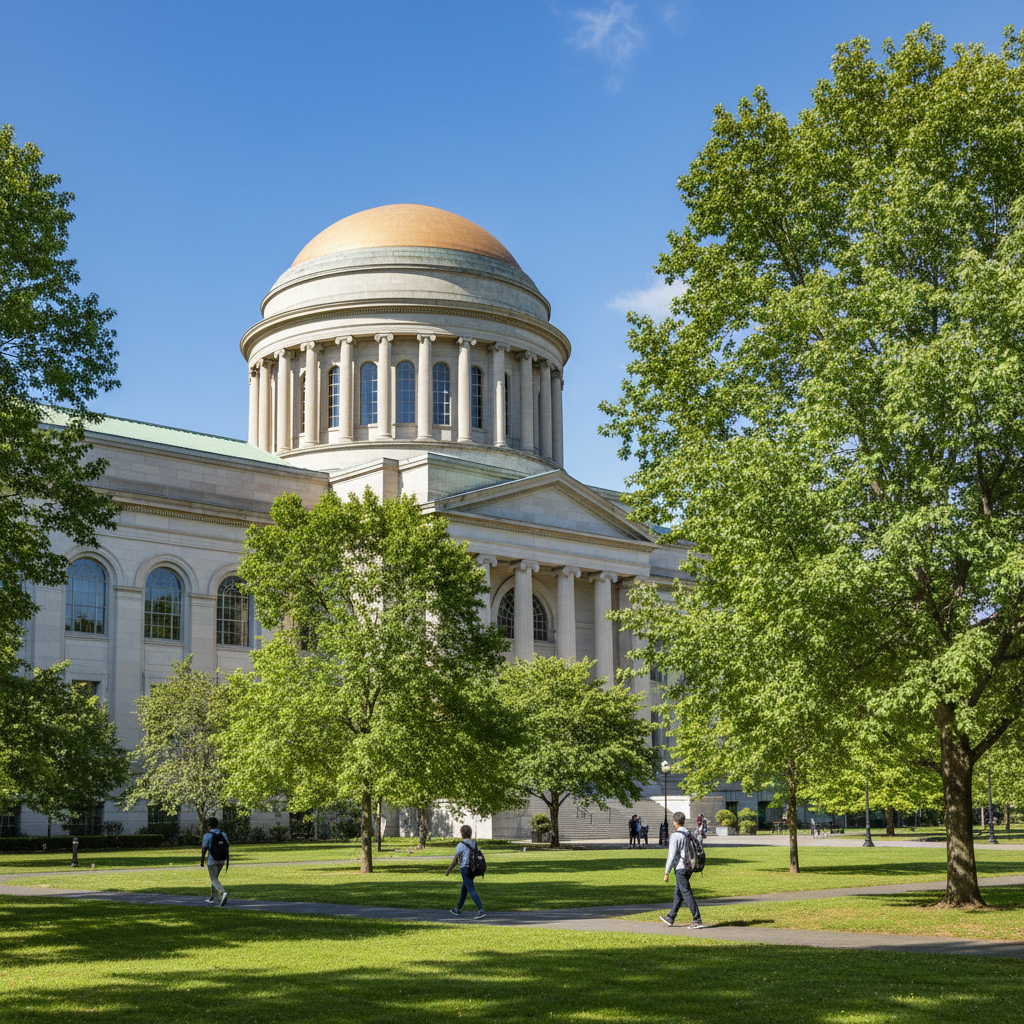
Massachusetts Institute of Technology (MIT)
The world's #1 university for engineering, computer science, and technology — a dream destination for Indian STEM students.
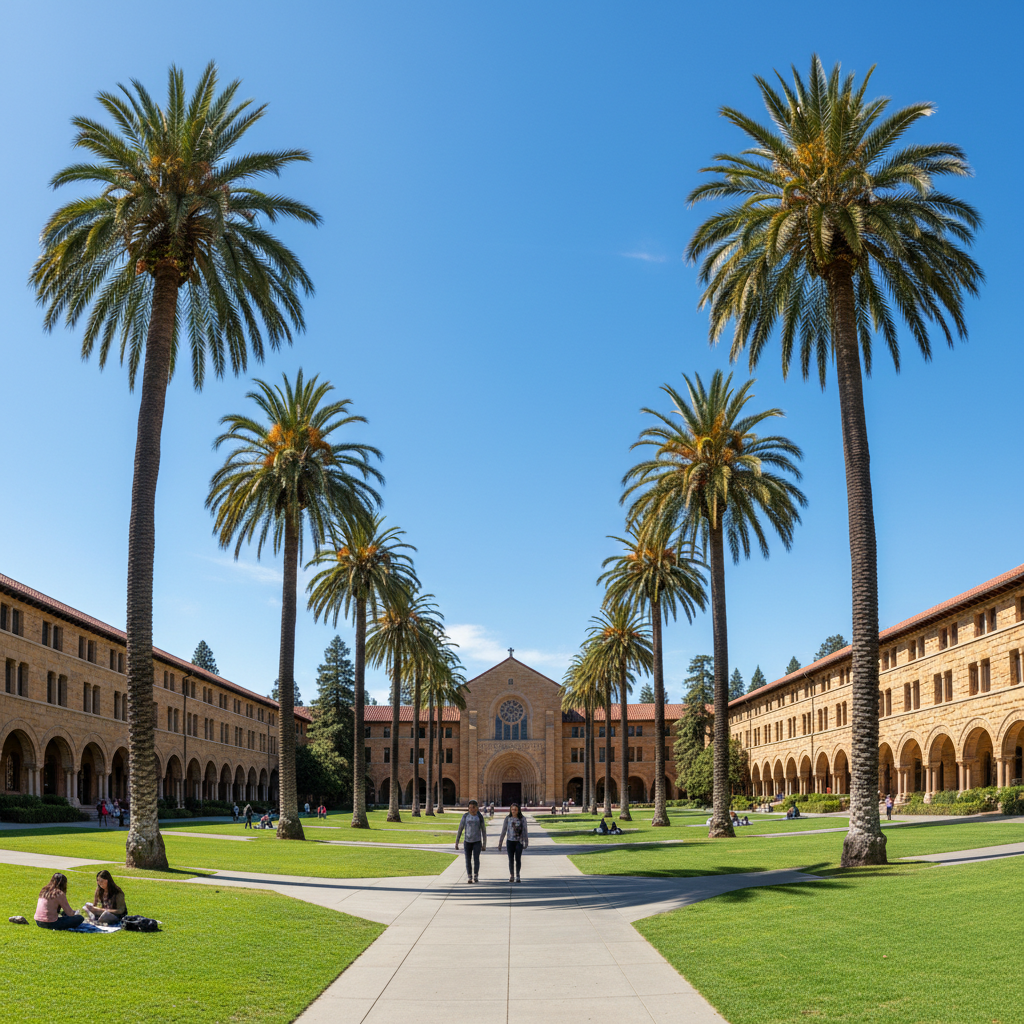
Stanford University
Silicon Valley's intellectual heart, ranked #5 globally, with unmatched connections to the tech industry and venture capital ecosystem.
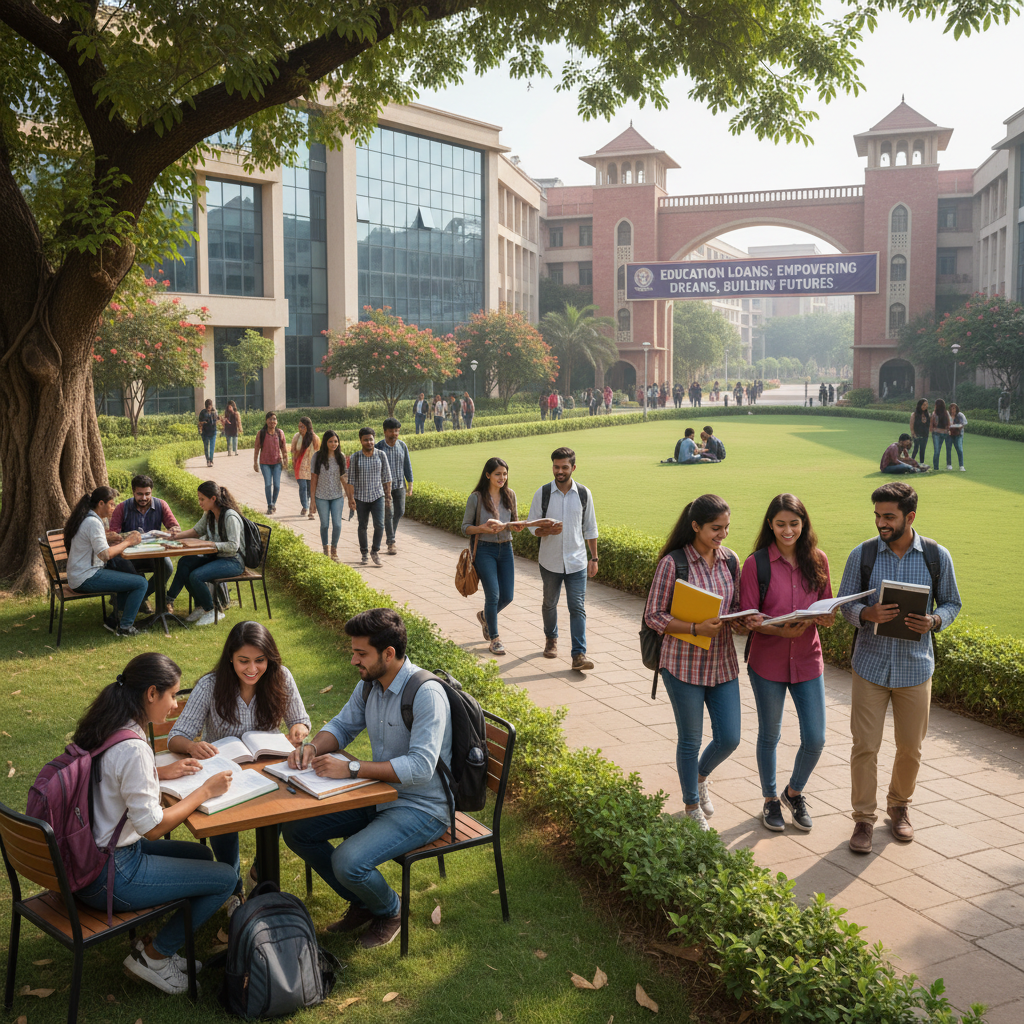
Carnegie Mellon University
The global leader in computer science, AI, and robotics — CMU graduates are among the most sought-after by top tech companies worldwide.
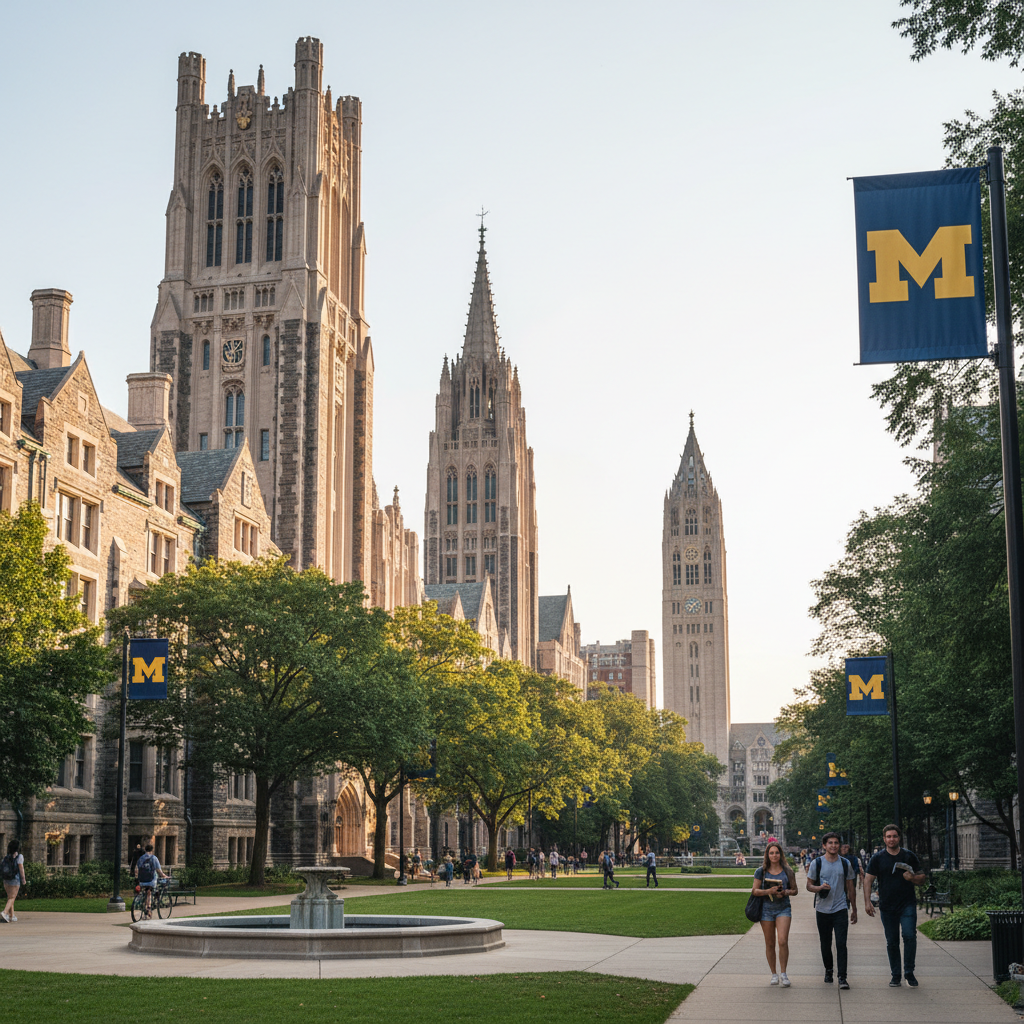
University of Michigan
A top public research university with world-class programs in engineering, business (Ross), and medicine — excellent value for international students.
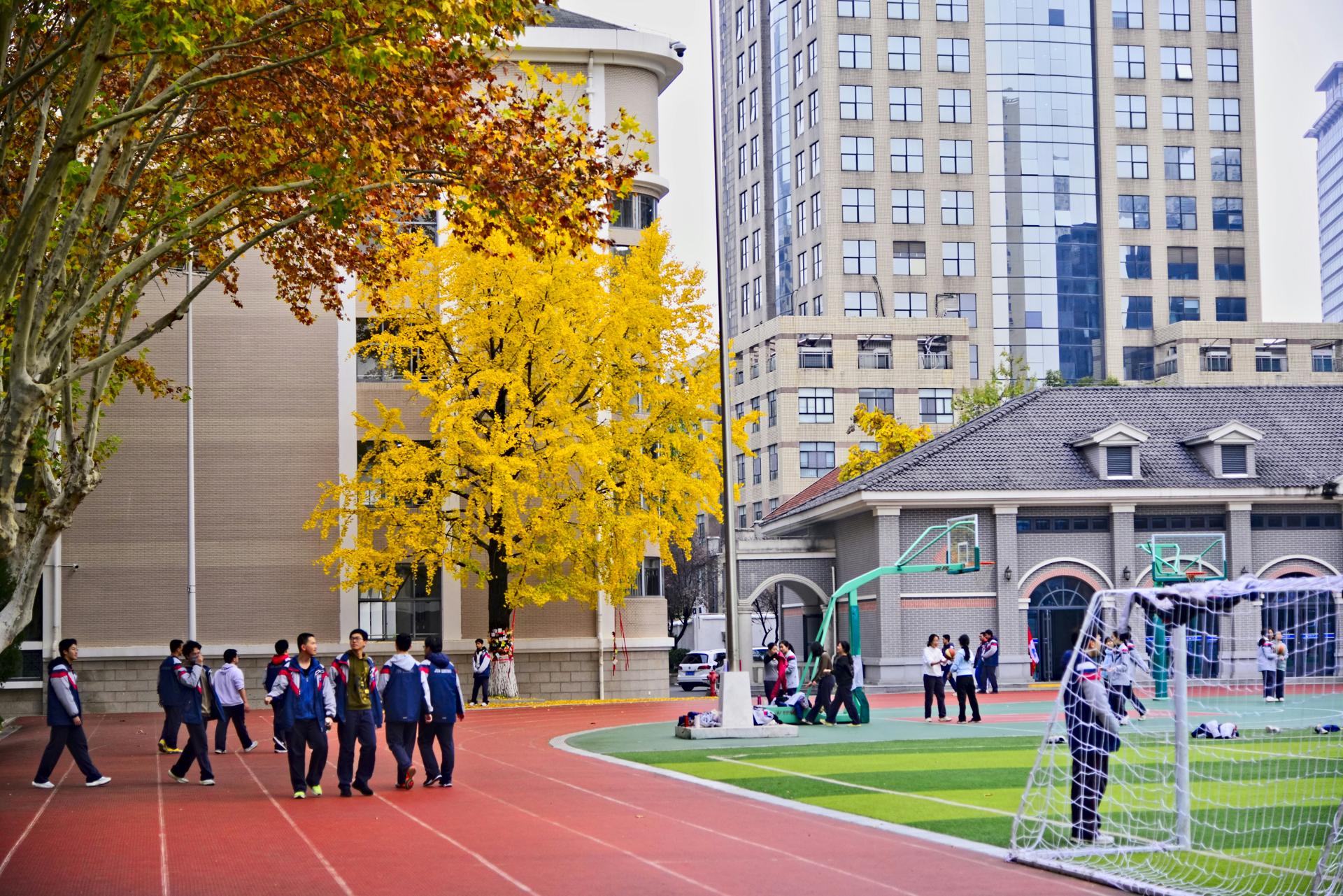
Purdue University
One of the USA's top engineering schools, known for aerospace, mechanical, and electrical engineering — highly affordable for a top-tier US university.
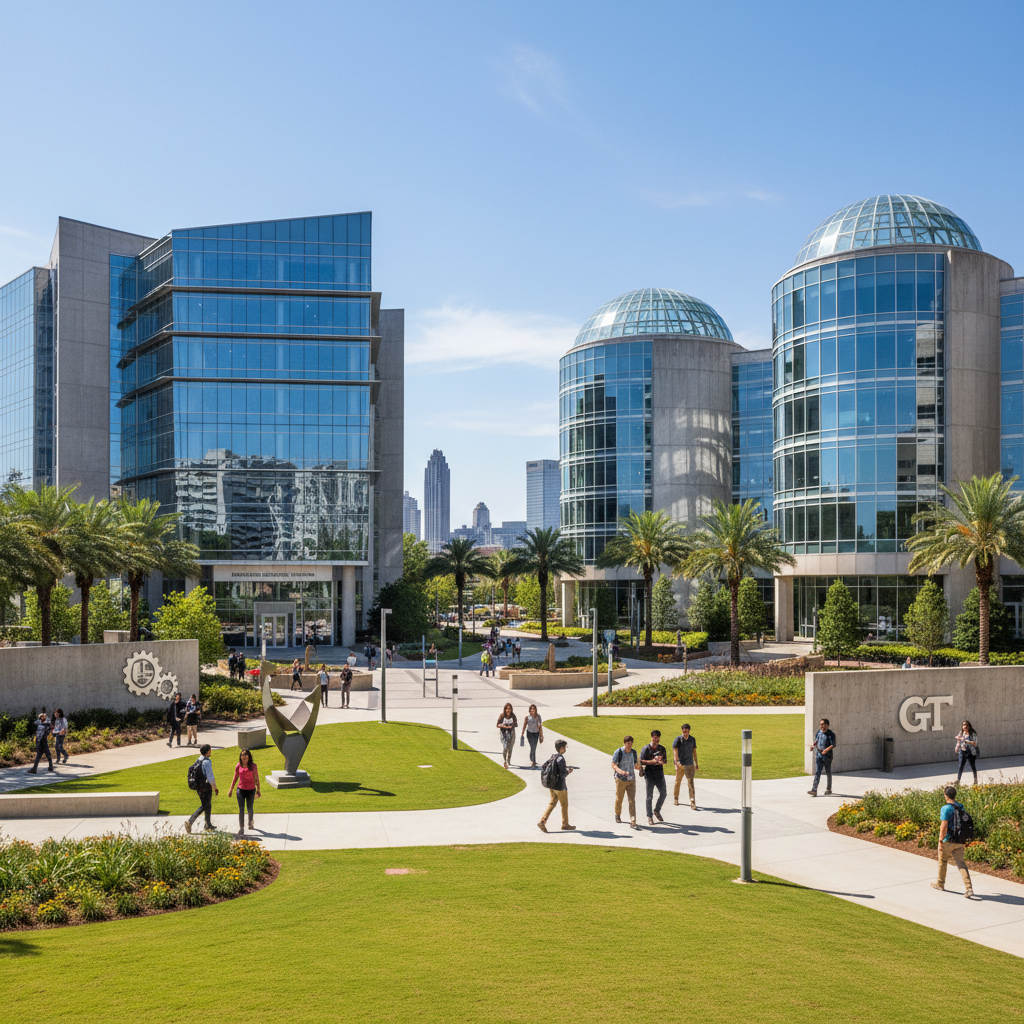
Georgia Institute of Technology
A top-5 engineering school in the USA, particularly strong in computer science, industrial engineering, and data analytics.
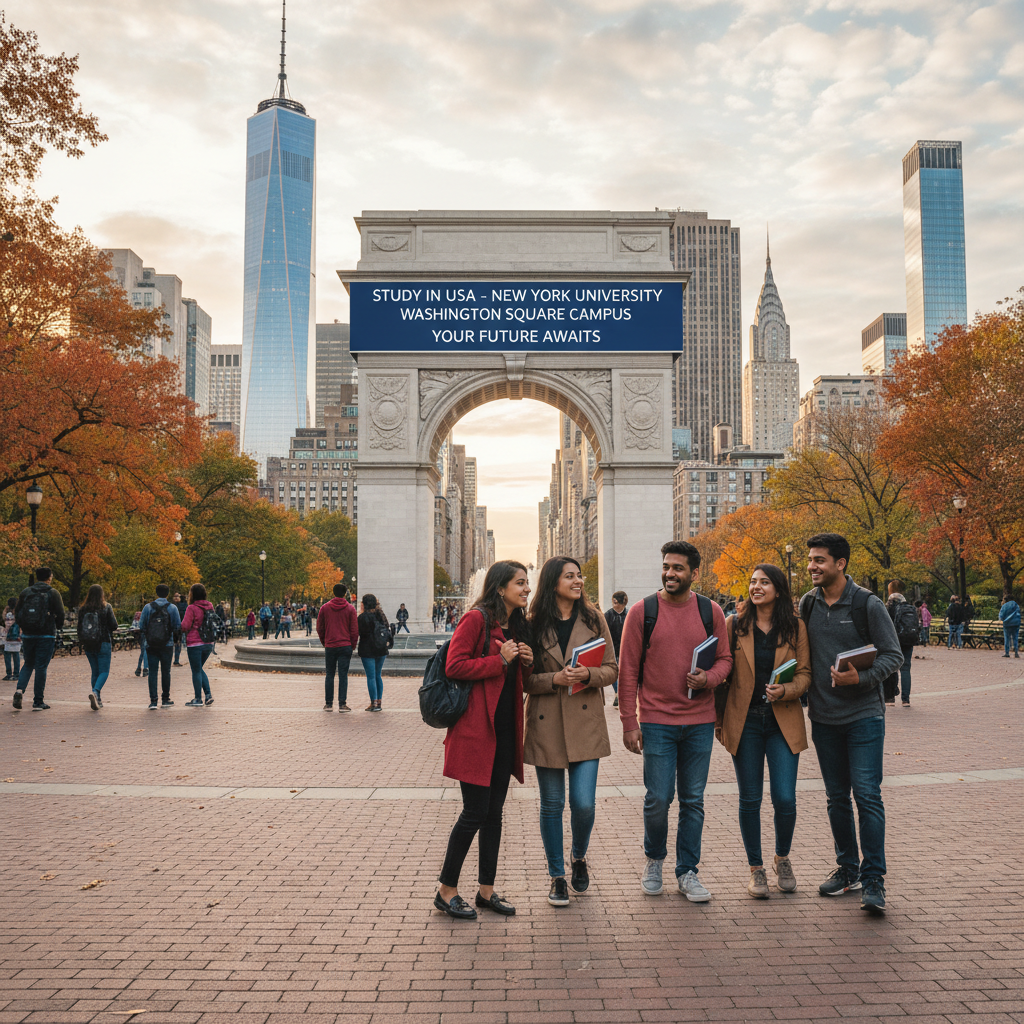
New York University (NYU)
A globally ranked university in the heart of New York City, with exceptional programs in business, law, arts, and social sciences.
What Are the F-1 Student Visa Requirements for Indian Students Applying to the USA?
Indian students need the F-1 visa to study in the USA. You must receive an I-20 from your university, pay the SEVIS fee (USD 350), complete the DS-160 form, and attend a visa interview at the US Embassy in India.
- ✓I-20 form (Certificate of Eligibility) from your US university — this is issued after you are admitted and have paid the SEVIS fee
- ✓SEVIS fee payment (currently USD 350 for F-1 visa applicants) — must be paid before your visa interview
- ✓DS-160 online nonimmigrant visa application form — completed and submitted before your appointment
- ✓Valid passport with at least 6 months validity beyond your intended period of stay in the USA
- ✓Proof of financial support: bank statements showing sufficient funds to cover tuition + living costs for at least the first year (typically USD 40,000–70,000)
- ✓Academic transcripts, degree certificates, GRE/GMAT scores, and English proficiency test scores (IELTS/TOEFL)
- ✓Visa interview at the US Embassy/Consulate — be prepared to demonstrate strong ties to India and intent to return after studies
- ✓Processing time: typically 2–8 weeks; apply at least 3 months before your program start date
What Is the Cost of Studying in the USA for Indian Students?
Tuition fees in the USA range from ₹20–55 lakhs per year, with living costs adding ₹12–20 lakhs annually. Total annual costs typically fall between ₹33–75 lakhs, though scholarships and assistantships can significantly reduce this.
| Expense | Estimated Cost (INR/year) |
|---|---|
| Tuition (Undergraduate) | ₹25–55 lakhs/year |
| Tuition (Postgraduate) | ₹20–45 lakhs/year |
| Living Expenses | ₹12–20 lakhs/year |
| Health Insurance | ₹1–2 lakhs/year |
| Total Estimate | ₹33–75 lakhs/year |
* Costs vary significantly by institution and location. Public universities are considerably cheaper than private Ivy League schools. Scholarships and assistantships can significantly reduce costs for graduate students.
Figures shown are indicative and subject to periodic government revision — our team confirms the latest requirements during your consultation.
What Are the Post-Study Work Rights for Indian Students in the USA (OPT & STEM Extension)?
After graduating in the USA, Indian students can work for 12 months on standard OPT. STEM graduates receive an additional 24-month extension, giving a total of 3 years of authorised work experience without needing an employer-sponsored visa.
During OPT, you must work in a role directly related to your degree. You are not tied to a specific employer, but you must maintain employment to remain in valid status. OPT is managed through your university's Designated School Official (DSO) and requires an Employment Authorization Document (EAD) from USCIS.
For students who graduate with a degree in a STEM field (Science, Technology, Engineering, or Mathematics), there is an additional 24-month STEM OPT extension — bringing the total post-study work period to 3 years. This is one of the most valuable benefits of studying STEM in the USA, as it gives you three full years to gain US work experience and find an employer willing to sponsor your H-1B visa.
OPT at a Glance
What Is the PR and Immigration Pathway for Indian Students in the USA?
Getting a US Green Card as an Indian student is a long and uncertain process — the primary route is the H-1B work visa lottery, and the Green Card backlog for Indian nationals currently stretches 50–100+ years.
The path to permanent residency (Green Card) in the USA is primarily through the H-1B visa — a work visa for specialty occupations that requires employer sponsorship. After completing OPT, if your employer is willing to sponsor you, they can file an H-1B petition on your behalf. However, the H-1B is subject to an annual lottery (cap of 85,000 visas per year), and with hundreds of thousands of applications submitted annually, the odds of selection are approximately 20–30% per attempt.
For Indian nationals specifically, the Green Card wait time through the employment-based categories (EB-2 and EB-3) is extremely long — currently estimated at 50–100+ years due to per-country caps. This is a significant and well-known challenge for Indian professionals in the USA. Many Indian students who study and work in the USA eventually choose to pursue PR in Canada or Australia instead, where the pathways are faster and more predictable.
Despite these challenges, the USA remains a compelling destination for students who prioritise academic prestige, career opportunities, and earning potential. The key is to go in with realistic expectations about the immigration pathway and to have a long-term plan that accounts for the H-1B lottery and Green Card backlog. MyEduQuest can help you weigh these factors honestly against your personal goals and circumstances.
Frequently Asked Admissions Questions
Is the USA a good study destination for Indian students?
Yes. The USA has the highest number of top-ranked universities in the world, including MIT, Stanford, and Carnegie Mellon. It offers strong STEM OPT extensions of up to 3 years and access to the world's largest tech and research ecosystem.
What is the cost of studying in the USA for an Indian student?
Tuition fees vary significantly by institution. Top public universities range from USD 25,000 to USD 40,000 annually, while private Ivy League institutions can exceed USD 60,000 per year. Living expenses—covering off-campus student housing, meals, health insurance, and transit—average between USD 12,000 and USD 18,000 per year depending on the state.
Can Indian students study in the USA without IELTS or GRE?
Yes, many US universities grant complete GRE waivers for specific master's programs based on work experience or high undergraduate marks. Additionally, IELTS/TOEFL requirements can be waived if you provide an official Medium of Instruction (MOI) certificate proving your entire bachelor's degree was taught in English, supported by strong English marks in your Class 12 board exams.
What are the post-study work opportunities (OPT) for international graduates in the USA?
Under the Optional Practical Training (OPT) program, international students can legally work in the US for 12 months post-graduation. If your degree is STEM-designated (Science, Technology, Engineering, or Math), you are eligible for an additional 24-month extension, giving you a total of 3 years to work and transition to an H-1B visa.
What is OPT and STEM OPT in the USA?
Optional Practical Training (OPT) allows F-1 students to work in the USA for 12 months after graduation. STEM OPT extends this by 24 months for graduates in STEM fields, giving a total of 3 years of post-study work authorization.
Can Indian students work while studying in the USA?
Yes. F-1 visa holders can work on-campus up to 20 hours per week during the academic term. Off-campus work requires Curricular Practical Training (CPT) authorization from the university.
What are the top universities in the USA for Indian students?
Top US universities for Indian students include MIT, Stanford University, Carnegie Mellon University, University of Michigan, Purdue University, Georgia Tech, and University of Illinois Urbana-Champaign.
Unsure if your target US university qualifies for the 3-Year STEM OPT extension?
Take our 60-Second Eligibility Assessment tool. Get your customized destination report sent directly to your WhatsApp.
Take the 60-Second AssessmentReady to Start Your 2027 or 2028 Journey to the USA?
The earlier you start, the more options you have — scholarships, university choices, and visa appointment slots all get tighter closer to intake. Book your free profile evaluation today.
Book Your Free Profile EvaluationNo pressure. No obligation. Just honest advice.