

Study in United Kingdom: 1-Year Masters & Visas
The UK is home to some of the world's most prestigious universities, offers 1-year master's degrees that save you time and money, and provides a 2-year Graduate Route visa for post-study work. Here's everything Indian students need to know.
Planning Your 2027 or 2028 Intake? Here's Why Now Matters.
The strongest applications aren't written under deadline pressure — they're built 12 to 18 months in advance. If you're targeting a Fall 2027 intake, the ideal time to start your university shortlisting, test preparation, and SOP drafting is now. If you're aiming for 2028, you have a real advantage: enough time to strengthen your profile, target better scholarships, and apply to reach universities you might otherwise skip.
Early applicants consistently get first pick of scholarships, visa appointment slots, and accommodation — all of which fill up as deadlines approach. Whichever year you're targeting, the students who start early are the ones with the most options, not the most stress.
Book your free profile evaluation and let's build your 2027 or 2028 roadmap together — there's no cost, and no pressure to decide anything today.
Higher Education in the UK: The Quick-Facts Matrix
Key requirements and practical timelines for Indian applicants.
| Core Criteria | Requirements & Practical Timelines for Indian Applicants |
|---|---|
| Primary Intakes | September/October (Primary major intake) & January/February (Secondary postgraduate streams) |
| Average Tuition Fees | £12,000 to £28,000 per academic year depending on classroom vs. laboratory program tracks |
| Post-Study Work Visa | 2 Years guaranteed stay-back visa via the Graduate Route (3 years for doctoral graduates) |
| IELTS Waiver Status | Highly accessible if Class 12 English scores exceed 70-75% (CBSE/ICSE/select state boards) |
| Visa Approval Timeline | 3 to 4 weeks under standard processing via UKVI/VFS New Delhi |
Did you complete your Class 12th (CBSE / ICSE / State Board) with 70%+ in English? You may qualify for a complete IELTS waiver at select top universities using a Medium of Instruction (MOI) certificate from your school.
Ask our counsellors whether your target UK universities accept an MOI certificate in lieu of IELTS/PTE — many Russell Group institutions do.
Study in the UK without the Agent Bias: 100% Commission-Free Guidance
Don't let traditional study abroad agents limit your future to universities that pay them the highest finder's fees. MyEduQuest operates on a strict commission-free model. Our independent consultants in Delhi analyze your profile objectively, giving you unrestricted access to Russell Group universities and elite institutions across the United Kingdom.
⚠️ Traditional Commission-Based Agents
- ✗Steer you away from elite Russell Group universities because they rarely pay agent commissions.
- ✗Rush your applications to meet agent sales targets rather than securing competitive UK scholarships.
- ✗Fail to accurately guide you on the strict UKVI financial credibility interview prep.
✅ MyEduQuest Independent Consultants
- ✓Evaluate your profile for all 160+ recognized UK institutions purely based on your academic merit.
- ✓Maximize your chances for institutional scholarships and university-funded tuition fee waivers.
- ✓Conduct rigorous, real-world mock interview sessions to ensure absolute visa success.
The UK is home to some of the world's most prestigious universities, including Oxford, Cambridge, Imperial, and UCL. These institutions are ranked highly globally and are known for their rigorous academic standards and high-quality education.
The 1-year master's degree is a significant advantage for Indian students. Unlike the 2-year programs common in the USA, Canada, and Australia, UK postgraduate programs are typically completed in 12 months. This saves students a full year of tuition fees and living costs, making it a more cost-effective option.
The UK's Graduate Route visa allows students to stay and work in the UK for 2 years (3 years for PhD graduates) without needing a job offer. This provides a clear path to post-study work and helps students transition to the UK job market more smoothly.
Studying in the UK can also be a cultural and personal growth experience. Indian students will have the opportunity to immerse themselves in a new culture, meet people from different backgrounds, and build a strong network of contacts that can be beneficial for their future.
How many years of post-study work visa do Indian students get in the UK?
Under the UK Graduate Route, international students completing an undergraduate or postgraduate degree receive a 2-year post-study work visa. PhD graduates receive a 3-year work visa, with no restriction on employer sponsorship or job type.
Which Are the Top Universities in the UK for Indian Students?
The top UK universities for Indian students include Imperial College London, UCL, University of Edinburgh, University of Manchester, King's College London, and University of Birmingham — all Russell Group institutions with strong Indian alumni communities.
These six Russell Group institutions are the most popular choices among Indian applicants.

Imperial College London
World's #6 university (QS 2024), globally renowned for science, engineering, medicine, and business — a gateway to top careers in tech and finance.
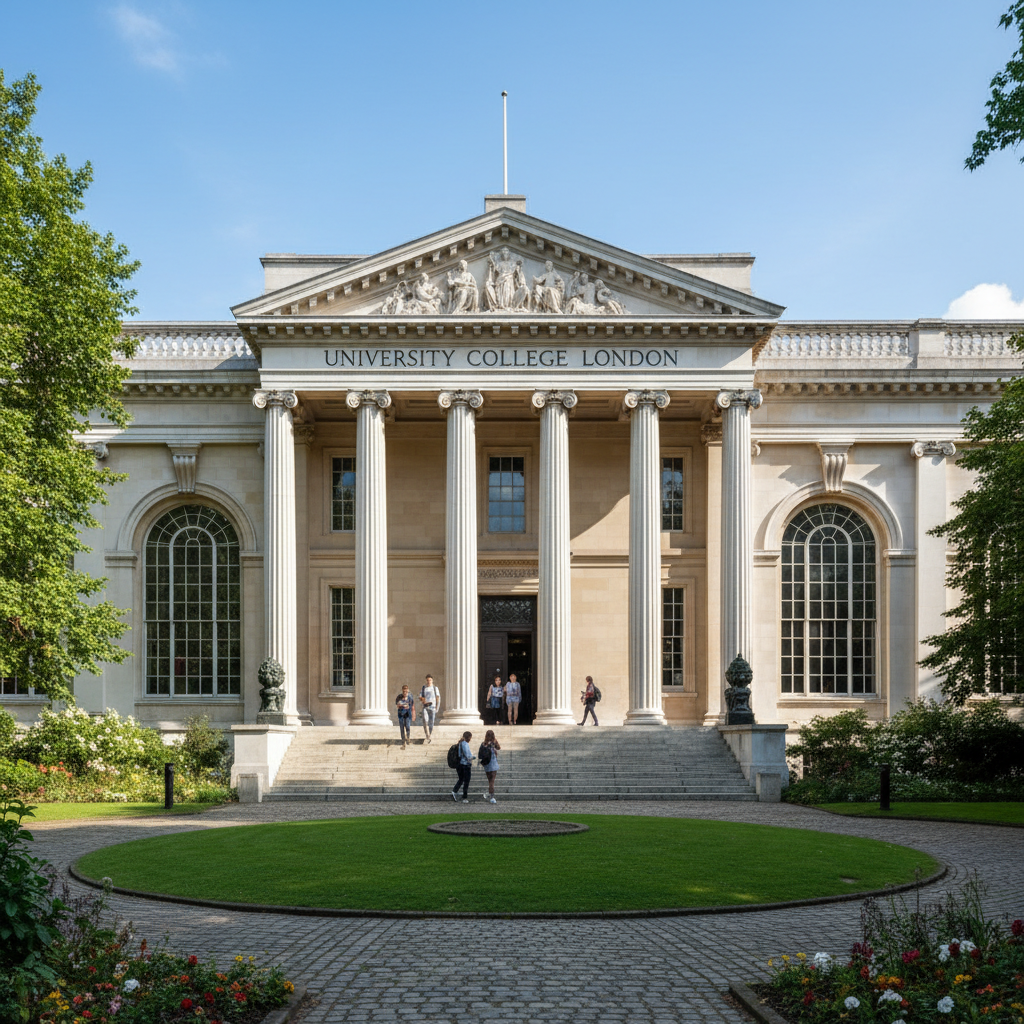
University College London (UCL)
A global top-10 university in the heart of London, offering exceptional programs in law, architecture, social sciences, and STEM fields.
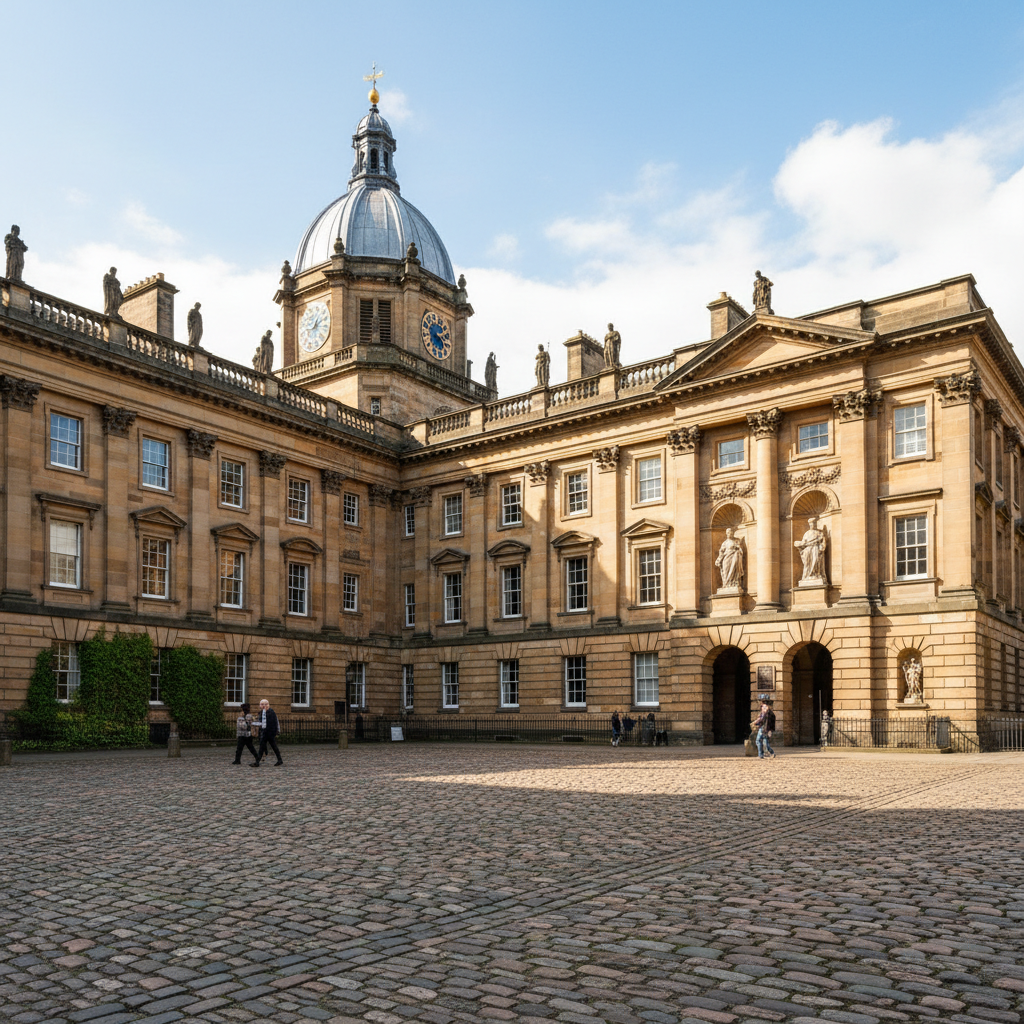
University of Edinburgh
Scotland's most prestigious university, ranked in the global top 30, with outstanding programs in medicine, informatics, and business.
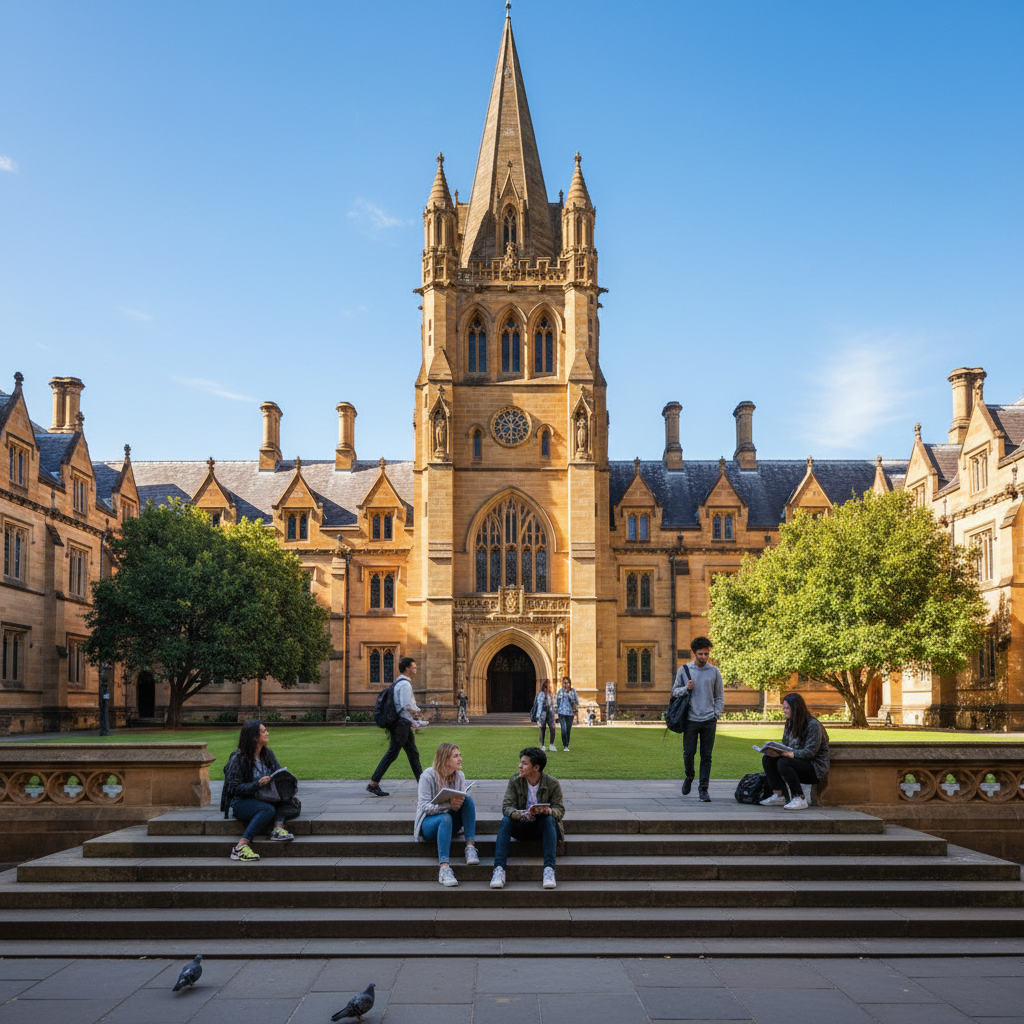
University of Manchester
A Russell Group powerhouse known for engineering, computer science, and business — home to more Nobel laureates than most countries.
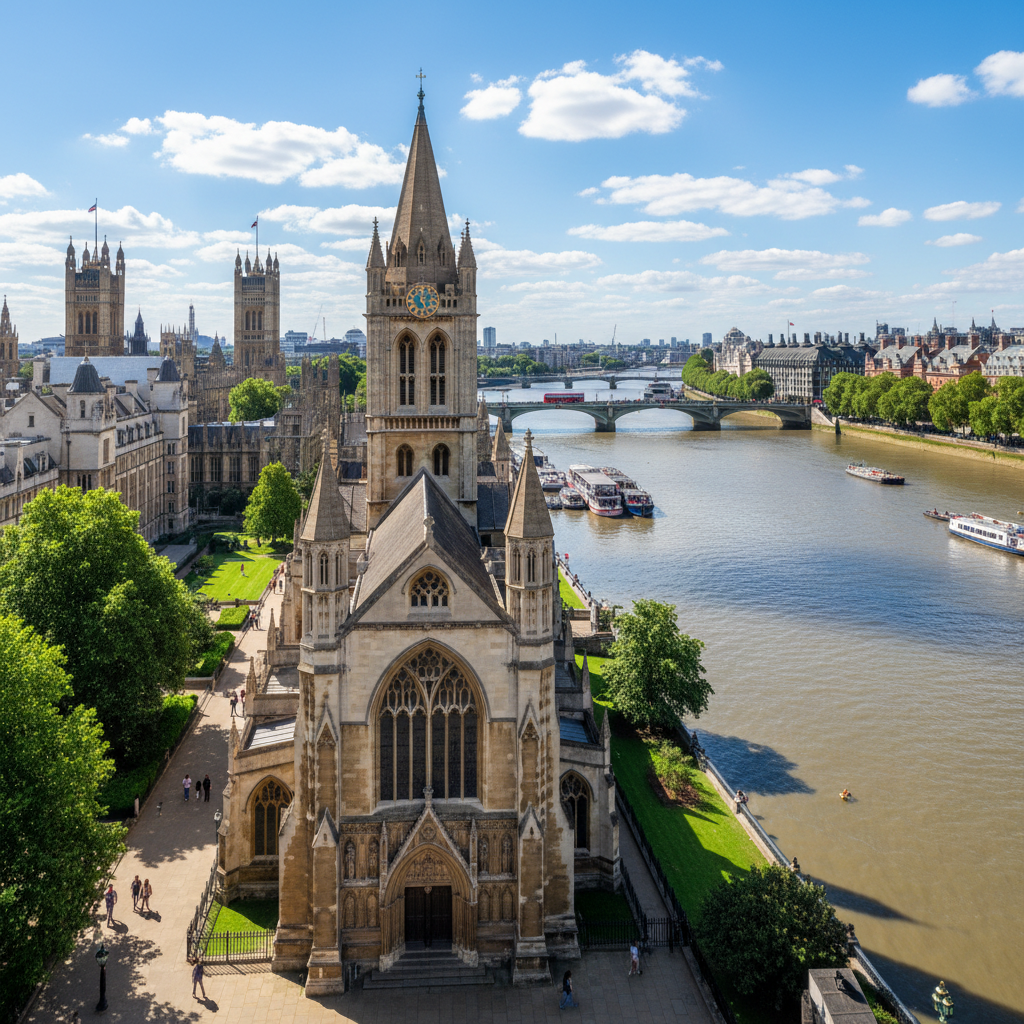
King's College London
One of the world's oldest universities, ranked in the global top 40, with exceptional strengths in law, medicine, and humanities.
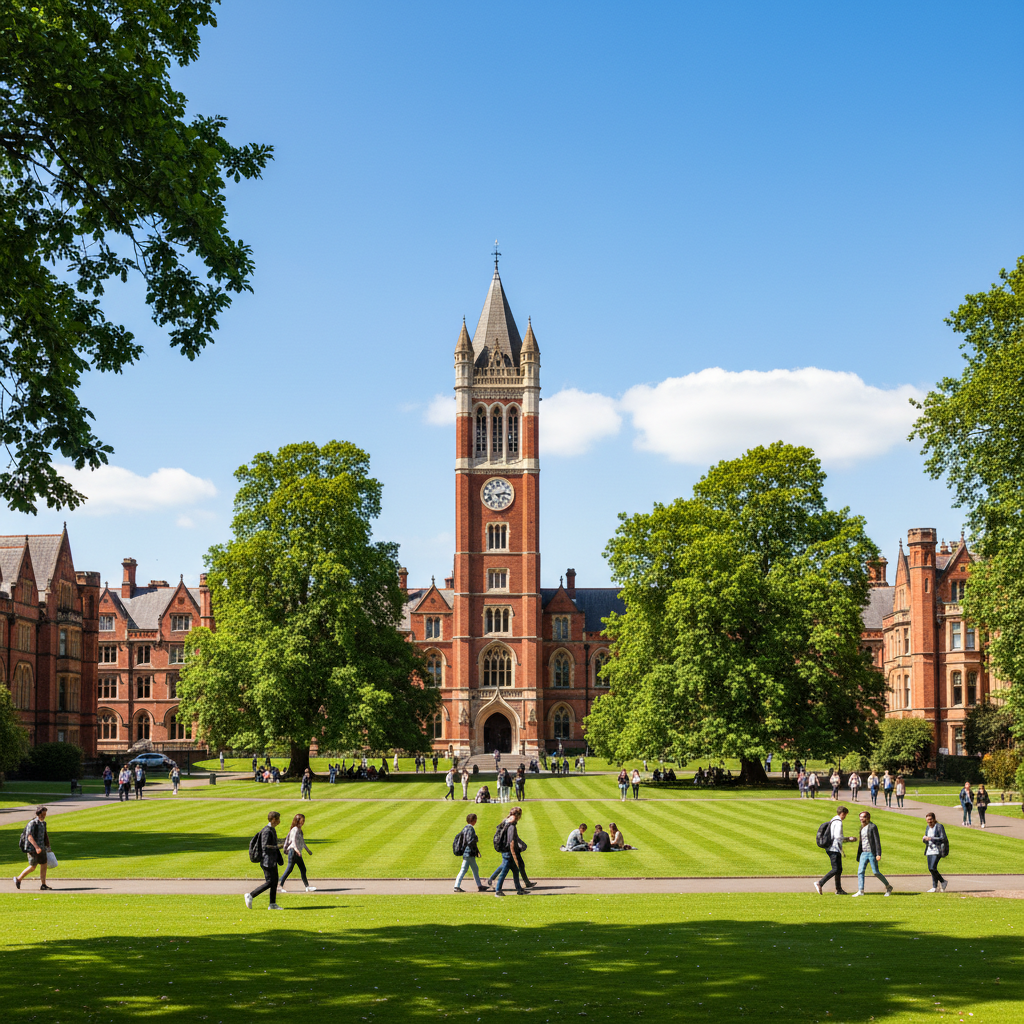
University of Birmingham
A leading Russell Group university with strong programs in business, engineering, and health sciences, and excellent graduate employment rates.
What Are the UK Student Visa Requirements for Indian Applicants?
Indian students need the UK Student Visa (formerly Tier 4). You apply once you have a CAS number from your university and proof of funds covering tuition and living costs — typically £1,334/month in London or £1,023/month outside London.
- ✓Confirmation of Acceptance for Studies (CAS) number from your UK university — this is the foundation of your Student Visa application
- ✓Proof of English language proficiency: IELTS Academic 6.0–7.0 (or equivalent TOEFL/PTE) depending on the course and institution
- ✓Financial evidence: sufficient funds to cover tuition fees + living costs (£1,334/month in London; £1,023/month outside London) for up to 9 months
- ✓Valid passport with at least 6 months validity beyond your intended stay in the UK
- ✓ATAS (Academic Technology Approval Scheme) certificate if studying certain sensitive subjects at postgraduate level
- ✓Tuberculosis (TB) test result from an approved clinic — required for Indian passport holders applying for visas over 6 months
- ✓Biometric Residence Permit (BRP) — collected from a UK Post Office after arrival; this is your official ID in the UK
- ✓Processing time: typically 3 weeks for applications made outside the UK; apply at least 6 weeks before your course start date
How much bank balance is required for a UK Student visa in 2026?
UKVI requires international students to prove living funds of £1,334 per month (up to 9 months, total £12,006) for studies in London, or £1,023 per month (total £9,207) for studies outside London, held for 28 consecutive days.
What Is the Cost of Studying in the UK for Indian Students?
UK tuition fees range from ₹16–35 lakhs per year, with London living costs adding ₹14–18 lakhs annually. Studying outside London in cities like Manchester or Edinburgh can reduce total annual costs to ₹28–43 lakhs.
| Expense | Estimated Cost (INR/year) |
|---|---|
| Tuition (Undergraduate) | ₹18–35 lakhs/year |
| Tuition (Postgraduate) | ₹16–30 lakhs/year |
| Living Expenses (London) | ₹14–18 lakhs/year |
| Living Expenses (Outside London) | ₹10–13 lakhs/year |
| Total Estimate | ₹28–48 lakhs/year |
* London is significantly more expensive than other UK cities. Cities like Manchester, Birmingham, and Edinburgh offer comparable academic quality at lower living costs.
Figures shown are indicative and subject to periodic government revision — our team confirms the latest requirements during your consultation.
What Are the Post-Study Work Rights for Indian Students in the UK (Graduate Route Visa)?
After graduating in the UK, Indian students can stay and work for 2 years (3 years for PhD graduates) on the Graduate Route visa with no job offer and no employer sponsorship required — in any role, for any employer.
The Graduate Route visa cannot be extended, but it can be switched to a Skilled Worker visa if you find an employer willing to sponsor you. This makes it a critical bridge between your studies and a long-term career in the UK.
During this period, you can work in any role, for any employer, at any salary level — there are no restrictions. This gives you the freedom to explore different industries, build your professional network, and find a role that qualifies you for the Skilled Worker visa route to long-term residency.
Graduate Route at a Glance
What Is the PR and Immigration Pathway for Indian Students in the UK?
Indian students can realistically achieve UK permanent residency (ILR) in 6–8 years by following the path: 1-year master's → 2-year Graduate Route → Skilled Worker visa → ILR. After 5 years on a Skilled Worker visa, you become eligible for Indefinite Leave to Remain.
Indian students can realistically achieve UK permanent residency (ILR) in 6–8 years by following the path: 1-year master's → 2-year Graduate Route → Skilled Worker visa → ILR. The primary route to permanent residency in the UK for international graduates is through the Skilled Worker visa. After completing your Graduate Route visa period, if you have secured a job with a UK employer who holds a sponsor licence, you can switch to a Skilled Worker visa. This visa requires a job offer at a minimum salary threshold (currently £26,200 per year, or the going rate for the occupation — whichever is higher) and is initially granted for up to 5 years.
After living in the UK on a Skilled Worker visa (or other eligible visas) for 5 continuous years, you become eligible to apply for Indefinite Leave to Remain (ILR) — the UK's equivalent of permanent residency. ILR gives you the right to live and work in the UK indefinitely, without any visa restrictions.
After holding ILR for 12 months (and having lived in the UK for at least 5 years total), you can apply for British citizenship. The typical timeline for an Indian student: 1-year master's → 2-year Graduate Route → 3+ years Skilled Worker → ILR → citizenship. Most students who follow this path can achieve ILR within 6–8 years of arriving in the UK.
Admissions Questions Answered
Is the UK a good study destination for Indian students?
Yes. The UK is home to some of the world's best universities including Oxford, Cambridge, Imperial, and UCL. Most master's programs are just 1 year, making it cost-effective. The Graduate Route visa allows 2 years of post-study work.
What is the cost of studying in the UK for an Indian student?
Undergraduate classroom courses average around £12,000 to £20,000 per year, while postgraduate and laboratory-based programs range from £14,000 to £30,000 annually. For living costs, UK Visas and Immigration (UKVI) requires students to demonstrate access to £1,334 per month for London locations or £1,023 per month for locations outside London.
Can Indian students secure an IELTS waiver for UK universities?
Yes, the UK is one of the most flexible destinations for IELTS waivers. Most prominent UK universities will completely waive the IELTS exam if you scored 70% or higher in English in your Class 12 board examinations (specifically CBSE, ICSE, or recognized state boards) and pass a brief university credibility interview.
How does the UK Graduate Route post-study work visa work?
The UK Graduate Route allows international students who have successfully completed an undergraduate or master's degree to stay and work in the UK for 2 years without any minimum salary requirement or sponsor restrictions. This provides an unrestricted pathway to secure a long-term Skilled Worker Visa.
What is the UK Graduate Route visa?
The UK Graduate Route visa allows international students who have completed a degree at a UK university to stay and work in the UK for 2 years (3 years for PhD graduates) without needing a job offer.
Can Indian students work while studying in the UK?
Yes. International students in the UK can work up to 20 hours per week during term time and full-time during vacations.
What are the top universities in the UK for Indian students?
Top UK universities for Indian students include Imperial College London, University College London (UCL), University of Edinburgh, University of Manchester, King's College London, and University of Birmingham.
Want to check if your Class 12 English marks qualify you for a direct UK IELTS waiver?
Take our 60-Second Eligibility Assessment tool. Get your customized destination report sent directly to your WhatsApp.
Check My IELTS Waiver Eligibility →Ready to Start Your 2027 or 2028 Journey to the UK?
The earlier you start, the more options you have — scholarships, university choices, and visa appointment slots all get tighter closer to intake. Book your free profile evaluation today.
Book Your Free Profile EvaluationNo pressure. No obligation. Just honest advice.